


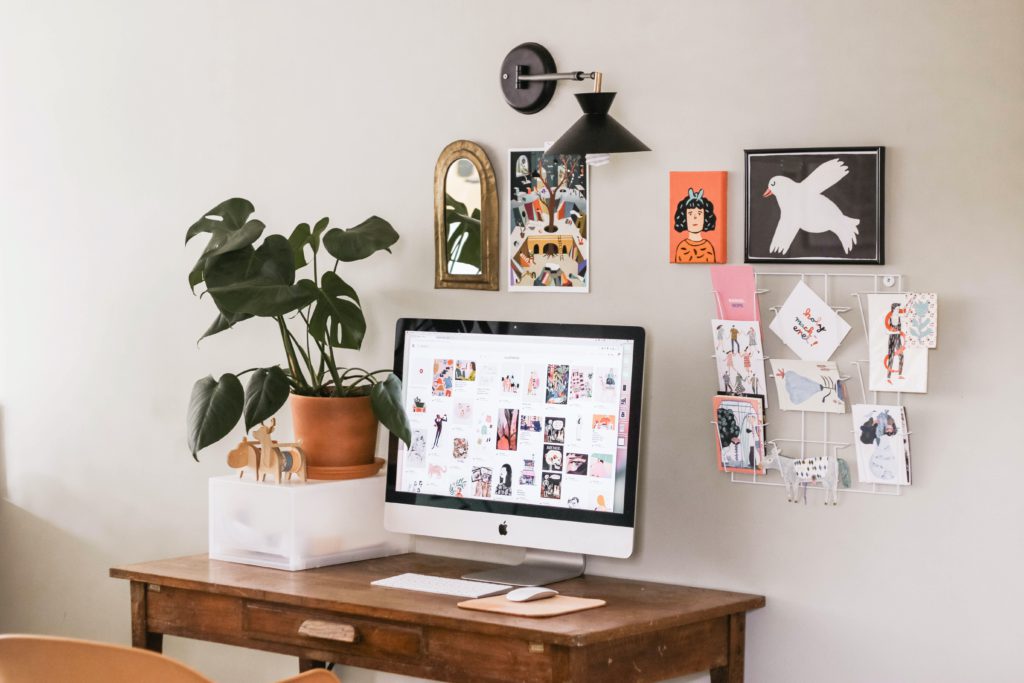
Working from home sounds pretty cushty, you can relax and work in your own space and keep yourself fuelled with cups of tea – but could it be causing you more harm than good?
As many as 50% of us were working from home in April 2020 according to the Office for National Statistics, so it’s no surprise that there has been an increase in work-induced injuries with people not in their proper working environments.
UK based health and safety software specialists Protecting.co.uk have found that 99% of businesses have no home working policy in place to protect their employees who have been working away from the office this year.
Company spokesman Mark Hall says, “No one could’ve predicted this global pandemic changing the way we have had to work this year, but the fact of the matter is that these businesses should have always been prepared for a worst-case scenario such as this.”
“Now we have people hurting their backs in uncomfortable chairs and working in less-than-ideal conditions when they should have been protected by their employers from day one.”
What are the risks?
It turns out that the simple act of sitting in a chair for 8 hours a day can put a lot of strain on your body, especially as most people have been sent home with no proper desks and chairs to work from.
Mark Hall from Protecting.co.uk warns you could be at risk of these common workplace injuries:
- Neck pain – Staring forwards at a computer monitor can create tension between your neck and shoulders, especially when you don’t sit up straight.
- Lower back pain – With 80% of adults expected to experience this at some point in their lives**it’s the most common on the list, often caused by incorrect chair height and not moving for long periods of time.
- Carpal Tunnel Syndrome – Constant typing and mouse use can cause CTS due to the overuse of your wrists.
- Eye strain – Sore eyes, blurred vision and headaches can all be a symptom of looking at computer monitors for too long without regular breaks.
Hall: “Often, those in office jobs don’t allow themselves regular breaks to get up and move around to stretch out their muscles and take a break from their desk and screen – but it’s incredibly important if you want to avoid aches and pains that might turn into more serious conditions.
“This is why it’s so important for businesses to have safety policies in place to prevent these injuries, such as providing the right equipment and encouraging regular breaks and movement.”
Should my workplace have a home working policy?
A quick look at the Health and Safety Executive online shows that employers do have a duty of care for those working from home, but they state that there are no increased risks if people are only working at home temporarily.
If staff are long-term home working then a full DSE (display screen equipment) assessment is required.
Legally, employers do have an obligation through the Workplace (Health, Safety & Welfare) Regulations 1992, but although these don’t apply to domestic premises, bosses are still expected to take reasonable care over home working.
Hall: “Some ways employers can assist home workers is to regularly communicate with staff about their needs, and provide equipment such as keyboards, risers, or support cushions for chairs to improve working conditions. “
Many more workers are expected to remain working from home until as far ahead as April next year, as the UK government advises those who can work from home to continue to do so, and some companies such as Google announcing their employees will work from home until July 2021.
But as Protecting.co.uk points out, there needs to be clearer definitions for when home working goes from being a temporary solution to a permanent fixture, because currently those who are likely to be working from home for over a year are not protected by any home working safety policies.
One of these individuals is Andy, a call centre worker from Cheshire who tells us, “when we all were sent home in March I thought we would be back in a matter of weeks. Now I’m being advised to work at home until next April, which is over a year of sitting at my kitchen table on a dining chair.”
Company spokesman Mark Hall says that by simply putting a safety policy in place for homeworkers, no matter how temporary the fixture may be, it allows the business to continue to operate safely and efficiently.
“At least there is some hope for office workers to comfortably work from home. My neighbour is a butcher, and there is no amount of health and safety that would allow him to carve up meat on his dining room table with the kids running about.”