


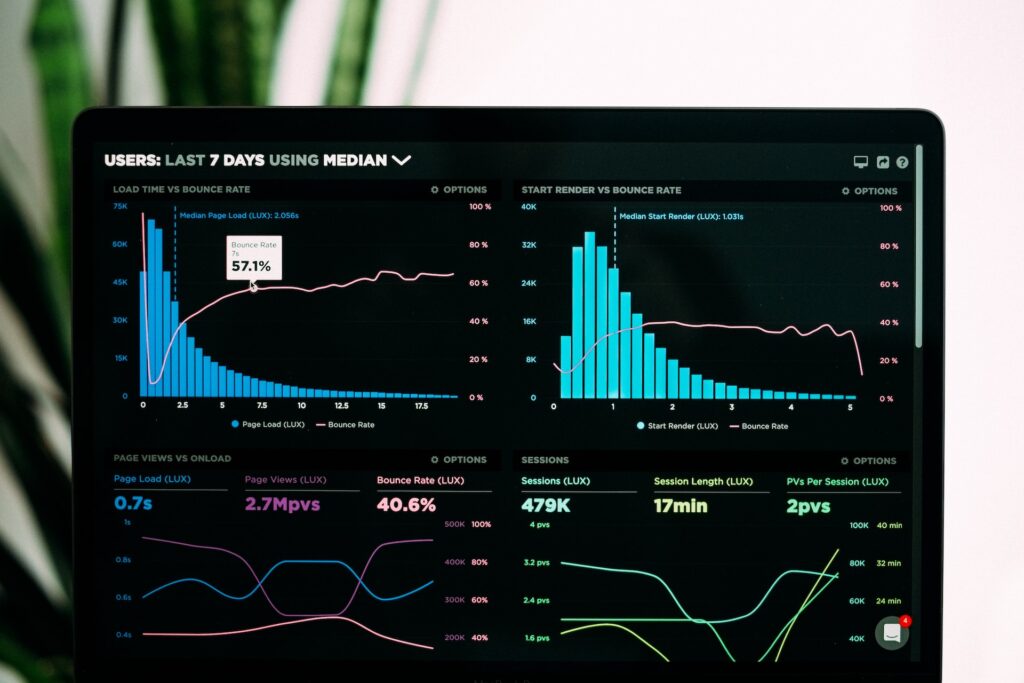
Data science has revolutionized the way companies, organizations, and governments, use data to make decisions. With advancements in data collection, processing, and storage capabilities, organizations today can more effectively analyze large volumes of data quickly and accurately. Data science has become essential to ensure data-driven decision-making, unearthing valuable insights to maximize efficiency and effectiveness.
Data scientists are increasingly becoming indispensable when it comes to collecting, processing, analyzing, and interpreting data for a range of purposes. The best data science courses help organizations improve their understanding of customers, markets, and other stakeholders by unlocking valuable information from big data. It also enables organizations to predict outcomes better and take actions according to data-driven insights.
What is Data Science?
Data science involves the transformation of raw data into meaningful and useful information for decision-making and problem-solving purposes. It entails the use of advanced statistical and machine learning algorithms to discover patterns and trends from big data. Organizations can use these insights to inform decisions, better understand customers, and optimize their operations.
Data science can help uncover patterns in large datasets, detect anomalies, and generate predictive models. It can also help identify relationships and correlations between different data points, analyze customer behavior, and uncover hidden insights. This helps organizations gain a better understanding of their customers and make more informed decisions.
Why is it important to turn raw data into useful information?
- Raw data is often difficult to interpret, and converting it into useful information makes it easier to understand. Transforming raw data into meaningful and actionable information is an important part of the data analysis process. By transforming data, patterns and relationships can be identified, insights can be extracted from the data, and decisions can be made based on the data. The data science business analyst course makes the data much more meaningful and easier to understand.
- Transformed data can be used to identify trends and better understand relationships between variables. By analyzing data, it is possible to identify trends and use them to make predictions. Additionally, transformed data can be used to uncover relationships between variables, allowing for a better understanding of how these variables interact with each other.
- Useful information can help identify problems, identify patterns, and draw conclusions. By transforming data into useful information, it can be used to identify problems in a system or process and help create strategies to solve them. Additionally, it can be used to identify patterns in data and draw conclusions based on those patterns.
- It can provide insights that help in decision-making and problem-solving. Useful information can provide insights that can help in making decisions and developing strategies to solve problems. This can help organizations make more informed decisions and develop better strategies.
- Aggregated data can be used to identify opportunities and create strategies to take advantage of them. By aggregating data, it can be used to identify opportunities and develop strategies to take advantage of those opportunities. This can help businesses and organizations identify areas where they can capitalize on or maximize their potential.
What data science tools and technologies can turn raw data into useful information?
- Artificial Intelligence (AI) is a technology that gives power to machines to perform tasks that normally require human intelligence, such as understanding the text, recognizing patterns, and making decisions. By using AI technologies, data scientists can use raw data to develop models that can be used to generate insights, predictions, and correlations from large datasets. This allows data scientists to gain a better understanding of the data and make better decisions based on their findings.
- Data Visualization is a process used to create visuals from large datasets that can be used to convey trends, patterns, and relationships. By leveraging data visualization tools such as Tableau, Power BI, Chartio, Domo, and QlikView, data scientists can create interactive charts, maps, and visuals to help understand and interpret large datasets. This enables data scientists to gain insights quickly and efficiently that can be used to inform decisions and strategies.
- Machine Learning is an AI technology that enables machines to learn from their experiences and adapt to changes over time. By using machine learning, data scientists can gain insights from large datasets that can help to discover hidden patterns and correlations in the data. This allows data scientists to create predictive models that can be used to make calculative and informed decisions.
- Natural Language Processing (NLP) enables computers to understand and interact with human language. Data scientists can use NLP to automatically process and analyze large volumes of text, including emails, reviews, tweets, and other sources of unstructured data. This can help to identify customer sentiment and the reputation of a business, enabling informed decisions to be made.
- Big Data Analytics is an umbrella term that refers to technologies used to analyze vast amounts of structured and unstructured data from multiple sources. Data scientists can use Big Data Analytics tools such as Apache Hadoop and Apache Spark to quickly process and analyze huge volumes of data. This provides them with powerful tools to gain valuable insights that can be used to communicate decisions and strategies.
Where can processed data be used in real-world applications?
Processed data can be used in a variety of real-world applications, including forecasting, decision-making, automating processes, predictive analytics, and more. For example, businesses commonly use processed data to inform their marketing campaigns, management decisions, and customer service practices. Additionally, processed data can be used in healthcare to make diagnoses, create personalized treatment plans, and adjust drug dosages. Processed data is also used in transportation to improve road safety, streamline traffic congestion, and optimize public transit. Finally, processed data is used extensively in AI-based applications, including facial recognition and natural language processing.
Conclusion
Data science is a powerful tool for turning raw data into useful insight. It is transforming the way businesses work and allowing them to understand their customer base better, predict customer demands, and make more informed decisions. It also helps organizations uncover hidden connections in data that could be used to improve operations and increase efficiency. Data science is an invaluable tool for any organization looking to make sense of its data and leverage it to its advantage.