By Laura Anderson, Welp Magazine. Published and last updated October 9, 2026.
The El Nino impact in 2026 will not be felt evenly. Some regions face drought and failed monsoons, others face floods, and a few may actually gain. With the event strengthening, here is where the weather, crops and food prices are most exposed, and what is still uncertain.
Quick Facts: El Nino Impact 2026
- Peak window: Extreme heat is expected to build from September and peak between December 2026 and February 2027, per the EU’s Joint Research Centre.
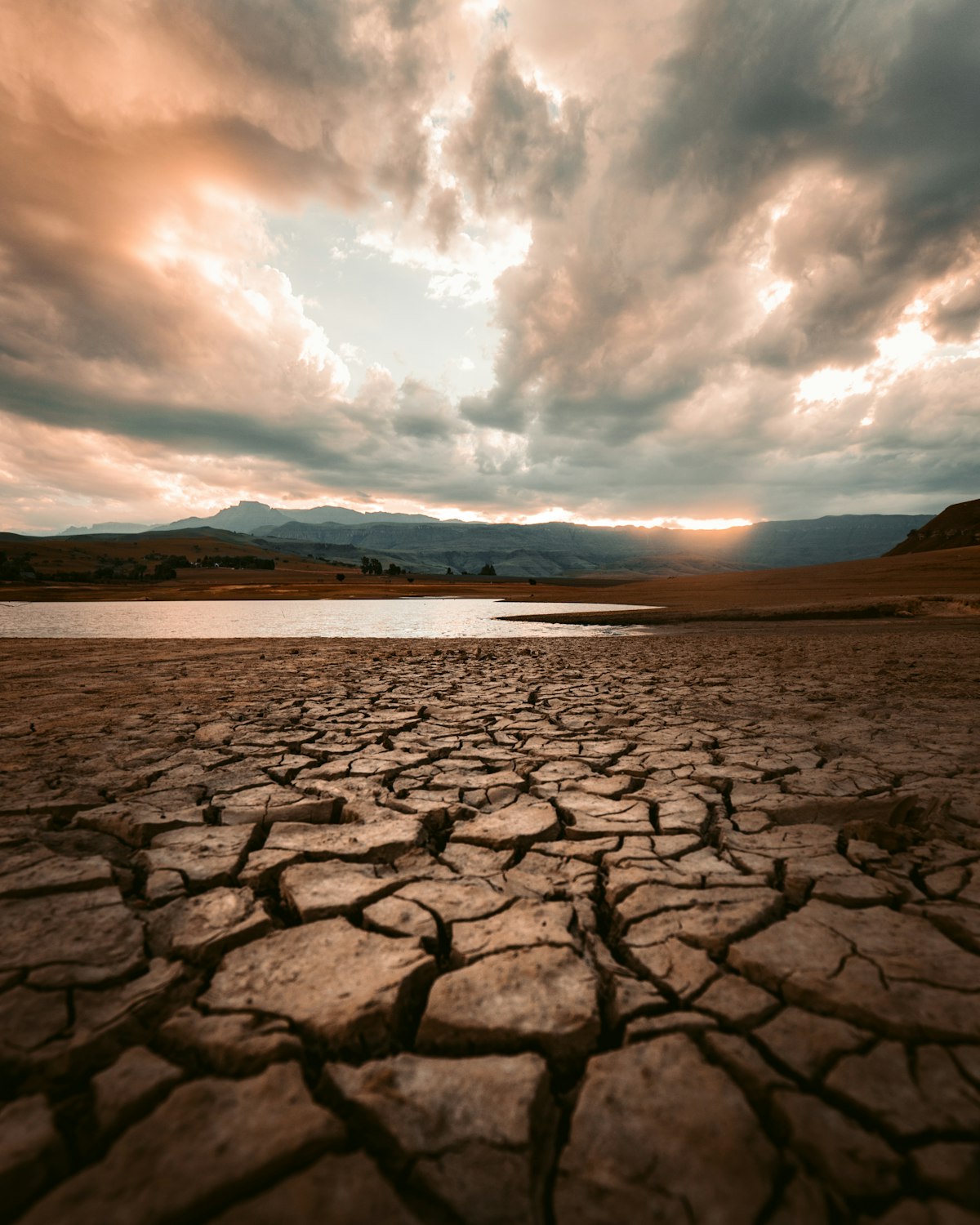
- Drought risk: India, Australia, Indonesia, Papua New Guinea and Central America.
- Flood risk: Ecuador, parts of South America and the United States.
- Food risk: The UN’s World Food Programme warns nearly 50 million more people could face acute hunger.
- Possible winners: Argentina and southern Brazil often get wetter, helping soy and maize.
What Is the El Nino Impact Around the World?
El Nino changes where rain falls and where heat builds. Our guide to El Nino heat waves explains the science. This article covers the regional results seen and expected so far. The EU’s Joint Research Centre expects extreme heat to build across the tropics and subtropics from September and peak between December 2026 and February 2027.
| Region | Typical El Nino effect | What is at stake |
|---|---|---|
| India | Weaker monsoon, more heat | Rice, cotton, soybeans, pulses, water supply |
| Australia | Drought and bushfire risk | Wheat, barley, Great Barrier Reef |
| Southeast Asia | Dryness | Palm oil output, rice |
| Southern South America | Wetter than normal | Soy and maize may benefit |
| Central America | Dry corridor drought | Maize and beans for vulnerable farmers |
| United States | Floods in the south, mild north | Mixed, net effect mildly favorable |
El Nino Impact on India: Monsoon and Crops
India is one of the most exposed countries. The summer monsoon provides nearly 70% of its annual rain, and El Nino often weakens it. India has forecast below average monsoon rains for the first time in three years. Rice, cotton and soybeans are at risk, and pulses and oilseeds grown on unirrigated land can amplify any shortfall.
El Nino Impact on Australia and Southeast Asia
Australia often sees lower rainfall and higher temperatures in El Nino years, with deficits in Queensland and New South Wales threatening wheat and barley. Dry conditions raise bushfire risk in the east and south, and extra heat can bleach coral on the Great Barrier Reef. Indonesia and Papua New Guinea are already in drought. Southeast Asia also produces about 90% of the world’s palm oil, which is vulnerable to dry spells.
El Nino Impact Across Asia, Country by Country
Asia carries the heaviest El Nino impact because it holds most of the world’s monsoon farmers and fast growing cities. The World Meteorological Organization confirmed on September 3 that the event will intensify into a very strong one. The UN regional snapshot warns that the worst agricultural and food security effects may not arrive until late 2026 and 2027. The table below summarizes what agencies have flagged for each country.
| Country | Main El Nino risk | What we know |
|---|---|---|
| Nepal | Heat waves and floods | Red Cross early action plans cover both; deadly August flood is not directly linked to El Nino |
| Bangladesh | Floods | Early action protocols active |
| Pakistan | River floods | Early action protocols active; no country specific forecast found |
| India | Weak monsoon, heat | Below average rain forecast; rice, cotton and soy at risk |
| Indonesia | Drought | Drought emergency declared in several districts |
| Philippines | Heat, cyclones, mixed rain | About 6,500 projected heat deaths; extra rain possible |
| Japan, South Korea, China | Heat waves, typhoons, floods | Heightened risk flagged by Red Cross planning |
Pakistan and Bangladesh need a caution. We found no model based forecast specific to either country, only early action plans for river floods and floods respectively. For current guidance, check the Pakistan Meteorological Department and the Bangladesh Meteorological Department. Rainfall in the Philippines is also uncertain, because a positive Indian Ocean Dipole can bring extra rain even in an El Nino year.
What Happened in Nepal?
Nepal suffered the region’s most devastating disaster of 2026, though it is not clearly an El Nino event. On August 26, a large piece of ice and rock broke off high in the Himalaya, about 5.2 kilometers above sea level. The debris became a flash flood that traveled roughly 60 miles down the Trishuli River and along the Bhote Koshi, wiping out communities.
- Deaths and missing: Wikipedia lists at least 1,454 dead and 5,285 missing as of October 4. Britannica cites more than 1,300 dead and about 5,500 missing.
- Damage: About 7,500 homes were destroyed and roughly 20,000 more damaged. Nepali authorities estimate losses of $4 billion to $7 billion.
- Search: An AP report dated October 7 says Nepal has ended its search for the missing.
- Livelihoods: The ILO warns jobs and incomes are disrupted well beyond the disaster zone.
- Later floods: Heavy rain in late September caused more floods and landslides, killing at least 21 people in Nepal, according to Al Jazeera.
Is this the El Nino impact? We found no source that says so. Scientists point to a giant landslide and glacier fall. Warmer temperatures can weaken mountain ice, so the disaster is a warning for the Himalayan region, but linking one event to El Nino would go beyond the evidence. Official counts keep changing, so check Nepal’s National Disaster Risk Reduction and Management Authority for the latest numbers.
El Nino Impact on Europe
Europe feels El Nino far less than the tropics. The UK Met Office says its effects there are typically indirect: a higher chance of a milder, wetter and windier autumn and early winter, and sometimes a colder, calmer late winter. A University of Reading expert says the picture for the UK is hard to call, with a signal for wetter conditions around Spain and possibly a colder winter in Scandinavia. The EU’s Joint Research Centre warns this event could instead leave Europe warmer than normal, with the warmth building toward spring 2027. Euronews reports a limited effect on Europe’s 2026 summer.
Which Countries Are Safe From El Nino?
No country is fully safe, but some are far less exposed. One ranking says effects are strongest in the tropics and weakest in Europe and northern Asia. Some places may even gain: southern Brazil and Argentina often get helpful rain, and one tracker estimates the net effect for the United States as mildly favorable. Even safer countries share the cost through higher food, palm oil and energy prices, which is why no one is truly immune.
El Nino Impact on the Americas
The Americas get a mixed result. Floods have hit Ecuador and parts of the United States, and California has declared a state of emergency. Peru has seen record temperatures. In Central America’s dry corridor, maize and bean harvests may fail in already fragile areas. Southern Brazil and Argentina often get wetter conditions that help soy and maize. The Atlantic hurricane season has so far been unusually quiet, according to the Washington Post’s tracking.
Will El Nino Raise Food Prices?
Possibly, but unevenly. A 2014 study found El Nino typically shifts global corn, rice and wheat yields by between minus 4.3% and plus 0.8%. The bigger risk is local. Droughts in India, Australia and southern Africa shrink harvests, and dry weather curbs palm oil in Southeast Asia. The UN’s World Food Programme warns that nearly 50 million more people in vulnerable communities could be pushed into acute hunger.
What Is Still Uncertain?
- How strong the event gets. Forecasts depend on the final peak.
- Local rainfall. El Nino loads the dice but does not guarantee drought or flood in any one place.
- Market prices. Outcomes depend on stockpiles, trade policy and crop mix.
How Can Households and Farmers Prepare for the El Nino Impact?
Preparing for the El Nino impact depends on where you live. In drought prone regions, early planning matters most: water storage, drought tolerant seed varieties and crop insurance can soften a bad season. Governments and aid groups are also being urged to move funds early, because the cost of acting before a disaster is far lower than responding after one.
- Households in heat prone cities: know where cooling centers are, check on elderly neighbors and avoid outdoor work in the hottest hours.
- Farmers: watch seasonal forecasts from national weather services, stagger planting dates and plan irrigation early.
- Businesses: map supply chains for exposure to drought, flood and shipping delays, especially for grains, palm oil and cotton.
- Communities near rivers and coasts: review flood plans, since heavy rain can arrive in short bursts after dry spells.
What Comes After the El Nino Impact Peaks?
Forecasters expect the El Nino impact to ease as the warm phase fades during 2027 as normal trade winds return. Sometimes the Pacific then swings to the opposite phase, La Nina, which brings its own risks, including drought in parts of the southern United States and floods in other regions. That swing can whiplash farmers who have just recovered from one extreme and must now prepare for another.
Because the atmosphere responds to the ocean with a delay of several months, many effects on rainfall, river levels and crop yields will keep showing up after the headline temperature peak. Anyone tracking food prices or water supplies should watch updates from the national weather services in their own country, alongside NOAA’s monthly outlook.
What Can Be Done? Climate Technology Responses
Heat and drought put pressure on power grids, farms and cities. Startups building grid storage, thermal batteries and carbon removal are one response. See our third guide on climate technology startups for the companies and funding behind it.
How We Reported This
This article draws on the EU Joint Research Centre, the UN, NOAA, the Washington Post, Bloomberg and Science News reporting as of October 9, 2026. Forecasts are projections and may change. Read more from the Joint Research Centre and Bloomberg. Browse more in our Environment section.
References and Further Reading
- UNDP: A very strong El Nino is building in Asia and the Pacific
- UK Met Office: An unprecedented El Nino
- Al Jazeera: Floods and landslides in India and Nepal
- UN News: Nepal floods threaten jobs and livelihoods
Frequently Asked Questions
What is the El Nino impact on the world?
El Nino shifts rain and heat around the globe. It brings drought to places like India, Australia and Indonesia, floods to parts of South America and the United States, and record heat in many regions.
How does El Nino affect India’s monsoon?
El Nino often weakens the Indian summer monsoon, which supplies nearly 70% of the country’s annual rain. A weak monsoon puts rice, cotton, soybeans and pulses at risk and strains water supplies.
Will El Nino raise food prices?
It can. Historically El Nino shifts global corn, rice and wheat yields by between minus 4.3% and plus 0.8%, but droughts in India, Australia and Southeast Asia can tighten supplies of grains, oilseeds and palm oil.
Which countries benefit from El Nino?
Southern Brazil and Argentina often get more rain, which can help soy and maize. One tracker estimates the net effect for the United States as mildly favorable.
How long will the 2026 El Nino last?
The Joint Research Centre expects impacts to peak between December 2026 and February 2027 and to persist even after the event itself peaks.
Which Asian countries are most affected by El Nino?
India, Indonesia, the Philippines, Nepal, Bangladesh and Pakistan are among the most exposed, with risks ranging from weak monsoons and drought to floods and heat. Japan, South Korea and China are also flagged for heat waves, typhoons and flooding.
What happened in Nepal and is it linked to El Nino?
A glacier and rock ice collapse on August 26 caused a deadly flash flood, with more than 1,300 people reported dead and thousands missing. No source we found links it directly to El Nino, though heat and warming can destabilize mountain ice.
How does El Nino affect Pakistan and Bangladesh?
We found no country specific forecast. Red Cross early action plans cover river floods in Pakistan and floods in Bangladesh, so authorities are preparing for water related risks.
How does El Nino affect Europe?
Europe’s effects are indirect and uncertain. The Met Office says a milder, wetter, windier autumn is more likely, while the EU’s Joint Research Centre says warmer than normal conditions could build toward spring 2027.
Which countries are safe from El Nino?
No country is completely safe. Effects are weakest in Europe and northern Asia, while parts of southern South America and the United States can benefit. All countries still feel food and energy price effects.