A Landmark Decision in Tirana
Albania has made global headlines by naming Diella, a digital figure, as the newest member of its cabinet. She will serve as the minister responsible for public procurement, a sector long plagued by allegations of corruption and inefficiency. The announcement marks the first time a government has elevated a virtual representative to such a senior role, putting Albania at the center of an unprecedented governance experiment.
Prime Minister Edi Rama described the decision as a bold step designed to rebuild public trust. “For too long, procurement has been a source of suspicion. This appointment guarantees that decisions will be impartial, transparent, and free from political influence,” he said during the unveiling ceremony in Tirana.
From Digital Assistant to Cabinet Leader
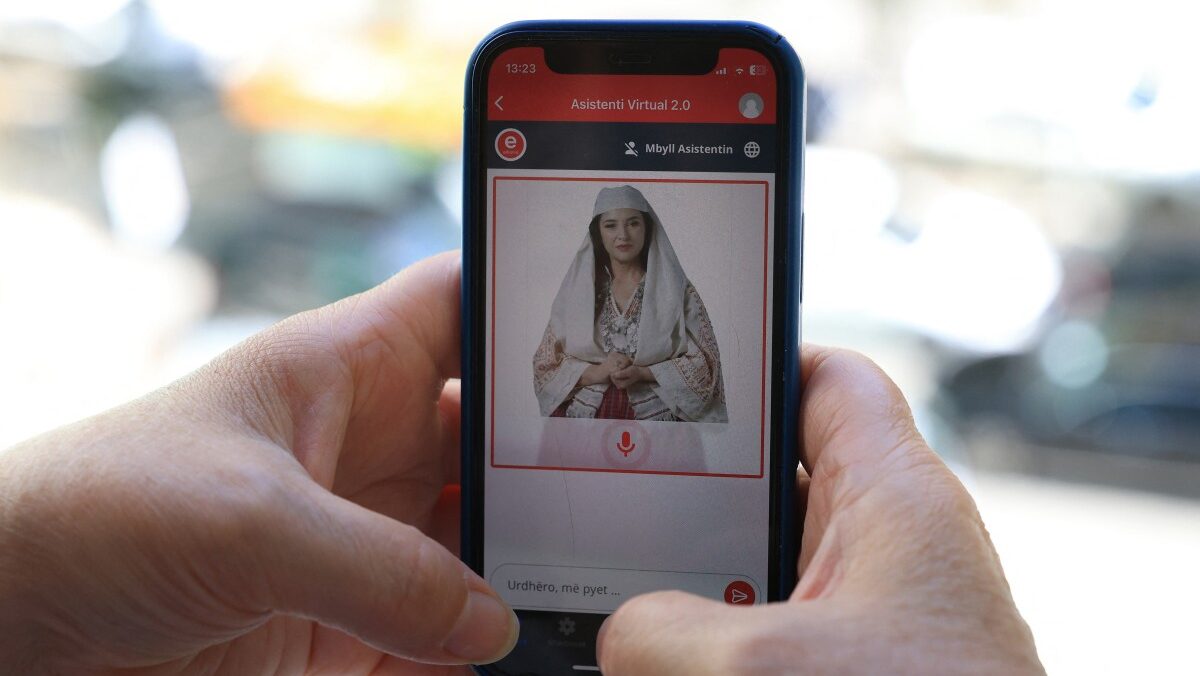
Diella is not entirely new to the Albanian public. She first appeared earlier this year as a virtual guide on the e-Albania platform, where citizens could use her to navigate government services online. With her new cabinet role, her function expands beyond service delivery. She will oversee the awarding of government contracts, monitor bidding processes, and ensure equal treatment of competitors.
The government hopes that by putting such responsibilities under a digital minister, the tendering process will become less vulnerable to manipulation. Officials insist that Diella’s systems are designed to apply rules consistently, without personal or political bias.
Targeting Corruption and EU Ambitions
Corruption in procurement has been one of Albania’s most persistent challenges, eroding public confidence and hindering progress in its negotiations to join the European Union. The European Commission has repeatedly flagged irregularities in contract awards as a serious obstacle.
By introducing a virtual minister, Albania is signaling that it is willing to experiment with innovative measures to meet EU standards. “It’s a strong message to Brussels that Albania is serious about modernizing its governance,” said an EU official familiar with the matter.
Critics Demand Accountability
Not everyone is convinced. Opposition leaders argue that while the move is eye-catching, it risks becoming a publicity stunt if there is no clarity on accountability. If a contract is contested or a mistake occurs, they ask, who bears responsibility?
“This government cannot simply hand over constitutional duties to a digital figure and then avoid responsibility,” one parliamentarian warned. Others questioned whether the system behind Diella can itself be tampered with, stressing that transparency must extend to the technology’s design and oversight.
Potential Benefits for Business and Investment
For companies seeking opportunities in Albania, the implications could be significant. Procurement accounts for a substantial share of government spending, with billions of euros in contracts distributed annually. If Diella delivers on her promise of impartiality, the playing field could open to more international firms, improving competition and potentially driving down costs.
Investors are also watching closely. A successful implementation could boost confidence in Albania’s economic governance and attract greater foreign capital. “Predictability and fairness are what matter most to investors. If this experiment works, it could be transformative,” said one regional analyst.
A Global First With Wider Implications
While other nations have deployed technology to streamline public services, none has gone so far as to appoint a digital figure to a ministerial seat. Analysts believe Albania’s experiment could set a precedent. If successful, it may inspire governments elsewhere to consider similar approaches to improve transparency and efficiency.
At the same time, experts caution against rushing to replicate the model without addressing its risks. Clear frameworks on oversight, legal status, and accountability will be crucial if the initiative is to gain credibility beyond Albania’s borders.
The Road Ahead
The coming months will determine whether Albania’s bold move reshapes governance or fades into political symbolism. Success will depend on whether citizens see procurement handled more quickly, fairly, and openly than before.
For Albania, the stakes are high. A transparent procurement system could speed up its path to European Union membership, attract investment, and redefine how governments fight corruption. If Diella delivers, this small Balkan nation may well have given the world a glimpse of governance in the future.
As Albania ushers in its first virtual minister, the world watches closely — and Welp Magazine will continue tracking how this bold experiment reshapes the future of governance. For broader context on Albania’s EU integration goals, see the European Commission’s enlargement policy