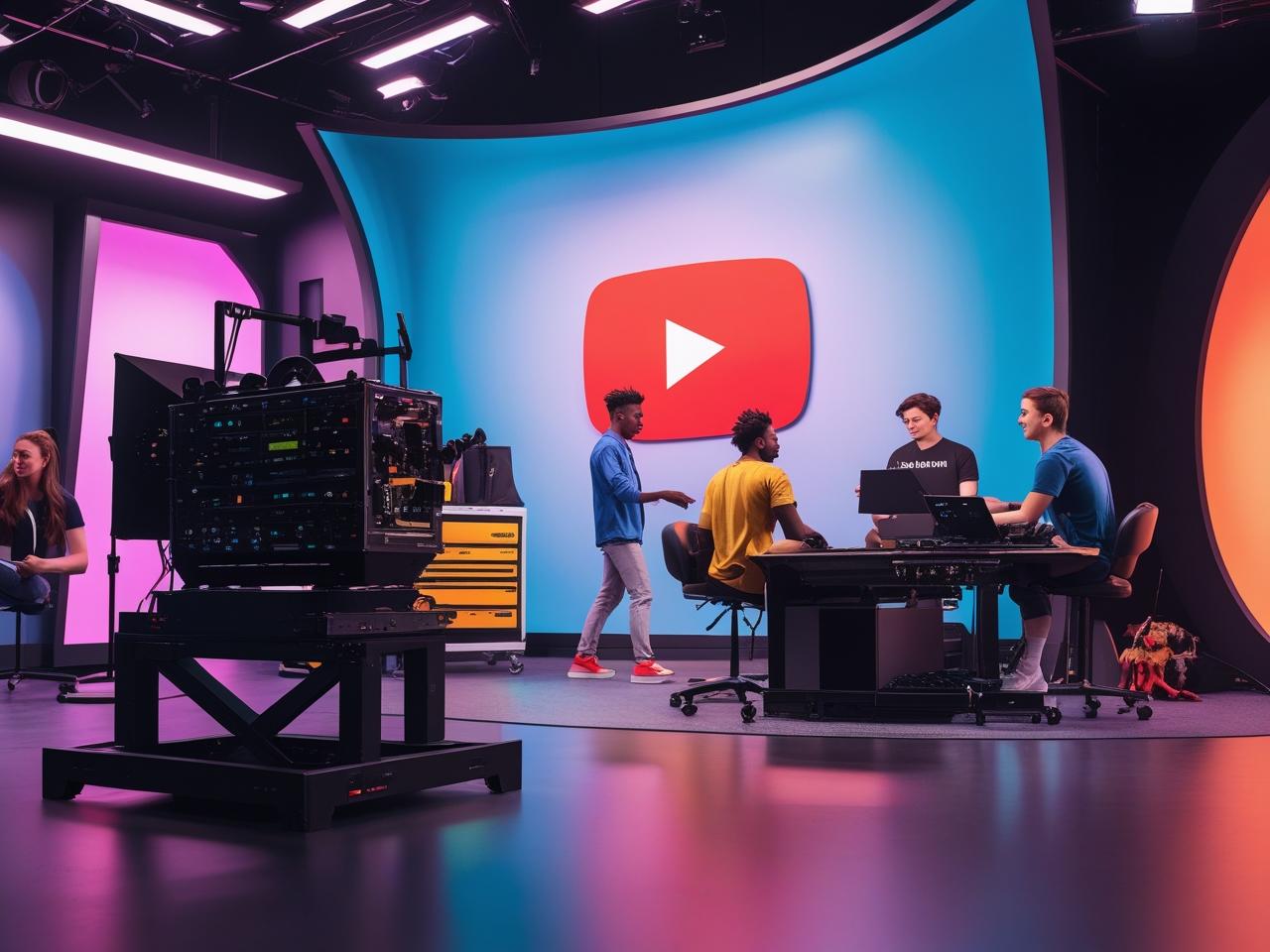
YouTube will officially stop paying creators for content that lacks originality, including AI-generated clips, stock video montages, and mass-produced formats that do not include real human engagement or commentary.
This move is part of YouTube’s revised monetization policy aimed at maintaining content quality and advertiser trust across the platform. The focus has now shifted squarely toward original human value, pushing back against the rapid rise of low-effort AI content.
What Content Will Be Demonetized?
YouTube has listed several parameters that will lead to demonetization:
- Reused or repetitive content: Uploads that use the same footage across multiple videos without transformative edits
- AI-generated videos with no commentary: Text-to-video uploads that simply read facts or summaries with robotic narration
- Stock footage compilations: Videos made by stitching stock visuals with little or no input
- Voice-only content lacking insight: AI voiceovers that do not add personal analysis or storytelling
- Clips taken from other sources without permission or unique presentation
Even if a creator uses licensed materials, they must transform the content with reactions, opinions, tutorials, or commentary. Failing to do so will mean ineligibility for ad revenue under the YouTube Partner Program.
Why Is YouTube Making This Move?
The update is rooted in three primary concerns:
- Content Quality: YouTube has faced rising complaints from users and advertisers about content that feels “soulless” or “recycled.”
- Advertiser Pressure: Many major advertisers have reduced spend on content farms and AI-heavy uploads due to brand safety.
- Viewer Experience: YouTube wants to retain engagement by rewarding authentic creators who bring personality, insight, and originality.
What Creators Must Do to Stay Monetized
Creators using AI tools like Lumen5, Pictory, or ElevenLabs can still create monetized content, but they must include:
- Original scripting or narration
- Human voice, insight, or presence
- Visual editing that goes beyond the basic templates
- Personal branding or consistent identity
Using automation tools to enhance creativity is fine. But relying solely on them without meaningful human input will risk channel demonetization.
How This Affects the Future of Content
The July 15 change marks a shift toward value-first content creation, where automation supports storytelling, not replaces it.
Influencers, educators, entertainers, and review channels will need to invest more in their voice and viewpoint, instead of relying on content generators and loops.
This is a wake-up call for thousands of creators who have built their strategy around scalability over substance.
What to Expect Next
YouTube is also expected to:
- Increase manual and AI-based content audits
- Launch creator tools for transparency
- Strengthen training on transformative content guidelines
The policy aligns with broader tech trends prioritizing authenticity and quality control across content platforms.
For more creator economy updates, read on:
- AI Agents Are Quietly Changing the Way We Work
- The Automation Leap: Are No-Code Tools Killing Entry-Level Jobs?