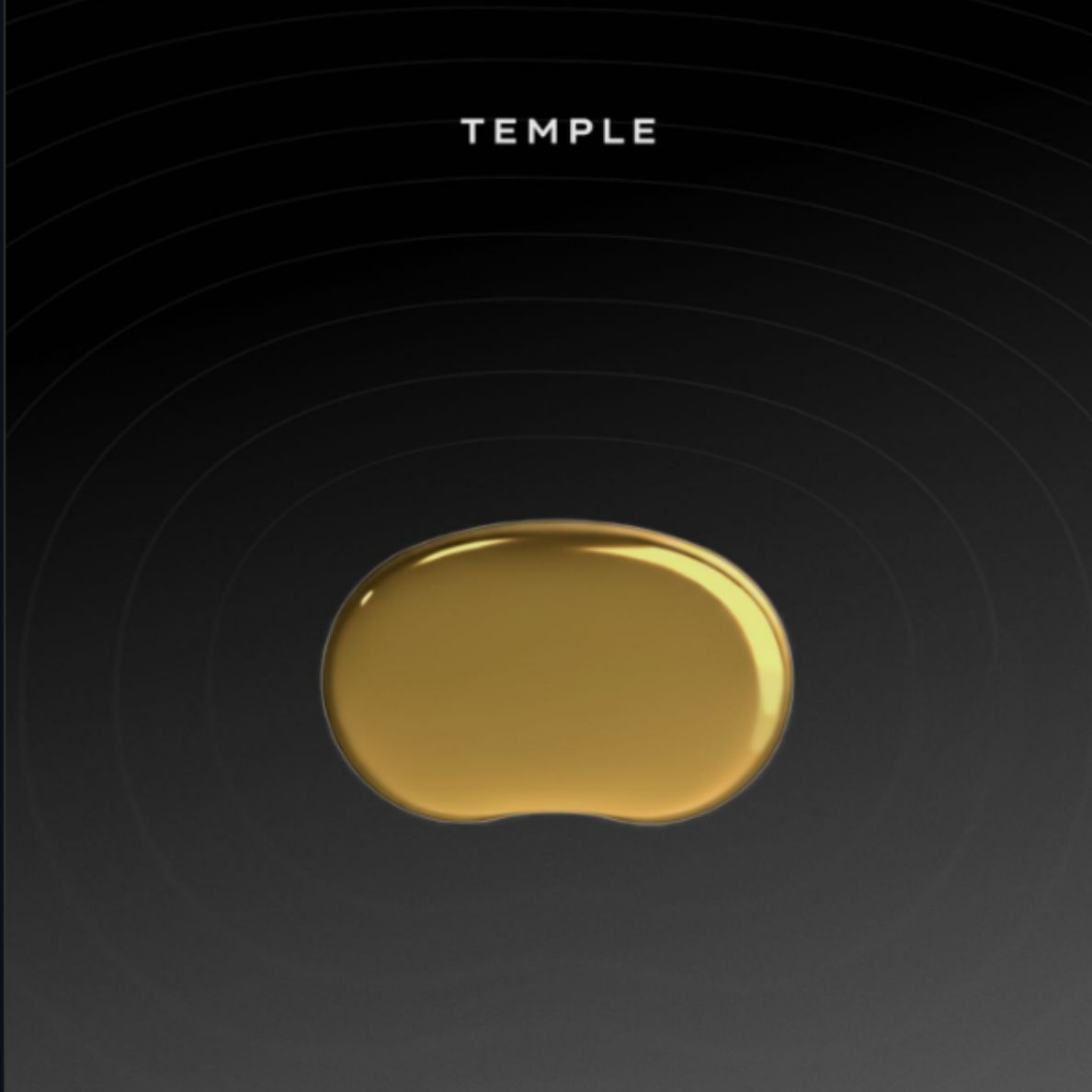
When Deepinder Goyal, CEO of Zomato, appeared on the Raj Shamani Podcast wearing a small metallic clip on his temple, people everywhere paused. What looked like a tiny, stylish accessory is actually the Temple device 2026, a $25 million neurotech wearable designed to monitor brain blood flow in real time.
And it’s causing quite a stir—from wellness enthusiasts in India to biohacking communities in the UAE.
What Is the Temple Device?
The Temple device is a small gold or silver clip that sits on the temple, the flat area between your forehead and ear. Unlike a smartwatch that tracks your heart rate or steps, Temple focuses on cerebral blood flow, aiming to provide insights into how your brain functions and ages over time.
Deepinder Goyal links it to his Gravity Ageing Hypothesis. The idea: decades of upright posture may slightly reduce blood flow to the brain, potentially affecting cognition and ageing. Inspiration comes from bats, yoga inversions, and even human height patterns.
How Temple Works
- Advanced sensors measure subtle changes in blood flow near the temple.
- AI-powered analysis interprets the data, identifying patterns over time.
- Continuous tracking during daily activities like sitting, standing, or working.
- Data insights aim to reveal neurological health trends and brain performance.
In simple terms: Temple doesn’t replace MRIs or professional medical scans, but it offers a new way to visualize your brain’s circulation continuously.
Who Can Use It?
Temple is still a research prototype, so it’s not available for general consumer purchase. But theoretically, the device could be useful for:
- Age groups: Young adults (20+) up to seniors, since cerebral circulation is relevant at all ages.
- Income groups: While current testing is billionaire-backed, the concept could eventually be adapted for a wider audience if commercialized.
- Professionals and wellness enthusiasts: Anyone curious about brain health, cognition, or longevity trends.
Essentially, it’s designed for anyone who wants to explore personal neurotech, regardless of income or age—but currently, access is limited to private research testing.
Availability: Where Can You Get Temple?
Currently:
- Temple is not commercially available.
- It’s only in Goyal’s personal lab, tested with guidance from global doctors.
- No official launch date, no public purchase option.
In the future, if the device is validated through studies, it could potentially be offered worldwide. Experts believe neurotech wearables may follow the path of fitness trackers, gradually becoming accessible to more income brackets and regions.
Why Was Temple Developed?
Goyal’s goal isn’t just tech hype. Temple represents a personal experiment in understanding how our brains age under gravity. He invested $25 million through Continue Research and has been testing it for over two years.
The device aligns with a broader vision:
- Explore personal neurotech before the market catches up
- Test the Gravity Ageing Hypothesis in real-world conditions
- Open new possibilities in wellness, longevity, and cognitive research
Put simply: Temple is a fusion of science, technology, and personal curiosity, driven by a CEO willing to invest millions in experimental health tech.
How Temple Compares to Other Wearables
While other devices like Muse, Flow, or EEG headbands monitor brain activity, Temple is different:
- Small and stylish, unlike bulky headbands or helmets
- Focused on blood flow, not just electrical activity
- Designed for real-time daily tracking instead of isolated sessions
- AI integration to analyze trends over months or years
It’s essentially a next-generation neurotech wearable, bridging the gap between clinical devices and everyday wellness tech.
What Experts Say
Neurologists caution:
- Single sensors can’t capture full brain circulation
- Pulse or skin metrics aren’t true cerebral measurements
- No clinical trials yet prove it prevents ageing or cognitive decline
Still, the concept excites both scientists and biohackers: Temple could eventually inspire new ways to track brain health at home, even if today it’s experimental.
Why the Internet Loves It
Temple isn’t just tech—it’s a story.
- A billionaire CEO testing brain health personally
- A tiny gadget that feels like sci-fi reality
- A bold attempt to measure something invisible yet vital
After the podcast, social media went wild: memes, debates, and discussions flooded platforms in India, UAE, and beyond. People are fascinated by a device that promises insights into the brain like fitness trackers do for your heart.
Bottom Line
Temple is futuristic, audacious, and experimental. It’s not a medical device, it’s not FDA-approved, and it cannot diagnose or treat disease. But it represents a glimpse into the future of personal neurotech.
If you want real brain monitoring today, stick to clinically validated devices and expert guidance. Temple is a bold, high-tech experiment exploring how our brains respond to life, posture, and gravity.
Follow the Future of Tech
Curious about cutting-edge gadgets, viral wellness experiments, and neurotech innovations?
Follow Welp Magazine to stay ahead of the curve and discover the devices shaping 2026 and beyond.