By Laura Anderson, Welp Magazine. Published and last updated November 17, 2026.
Your AI assistant can now spend your money. With your permission, of course. OpenAI has launched ChatGPT Wallet, a payment feature that lets its dots agents check out for you.
It sounds like science fiction, and it raises real questions. Is it safe? Who can use it? Which stores will let an agent in? Here is what we know, based on reporting from Dataconomy and other outlets.
Quick Answer: ChatGPT Wallet
- What: A wallet that lets OpenAI’s dots agents buy things for you.
- Who: Eligible US ChatGPT Pro subscribers aged 18+, with eligible US-issued cards.
- Security: Tokenized cards, and Face ID or fingerprint approval on every purchase.
- Partners: American Express, Mastercard and Visa.
- Catch: Amazon blocks agent purchases and United Airlines said it would block agents.
What Is ChatGPT Wallet?
ChatGPT Wallet lets OpenAI’s dots agents complete purchases for eligible ChatGPT Pro subscribers in the United States. Dataconomy reports it launched November 13, 2026. Some outlets date the announcement November 16. OpenAI introduced dots at its developer conference in late September.
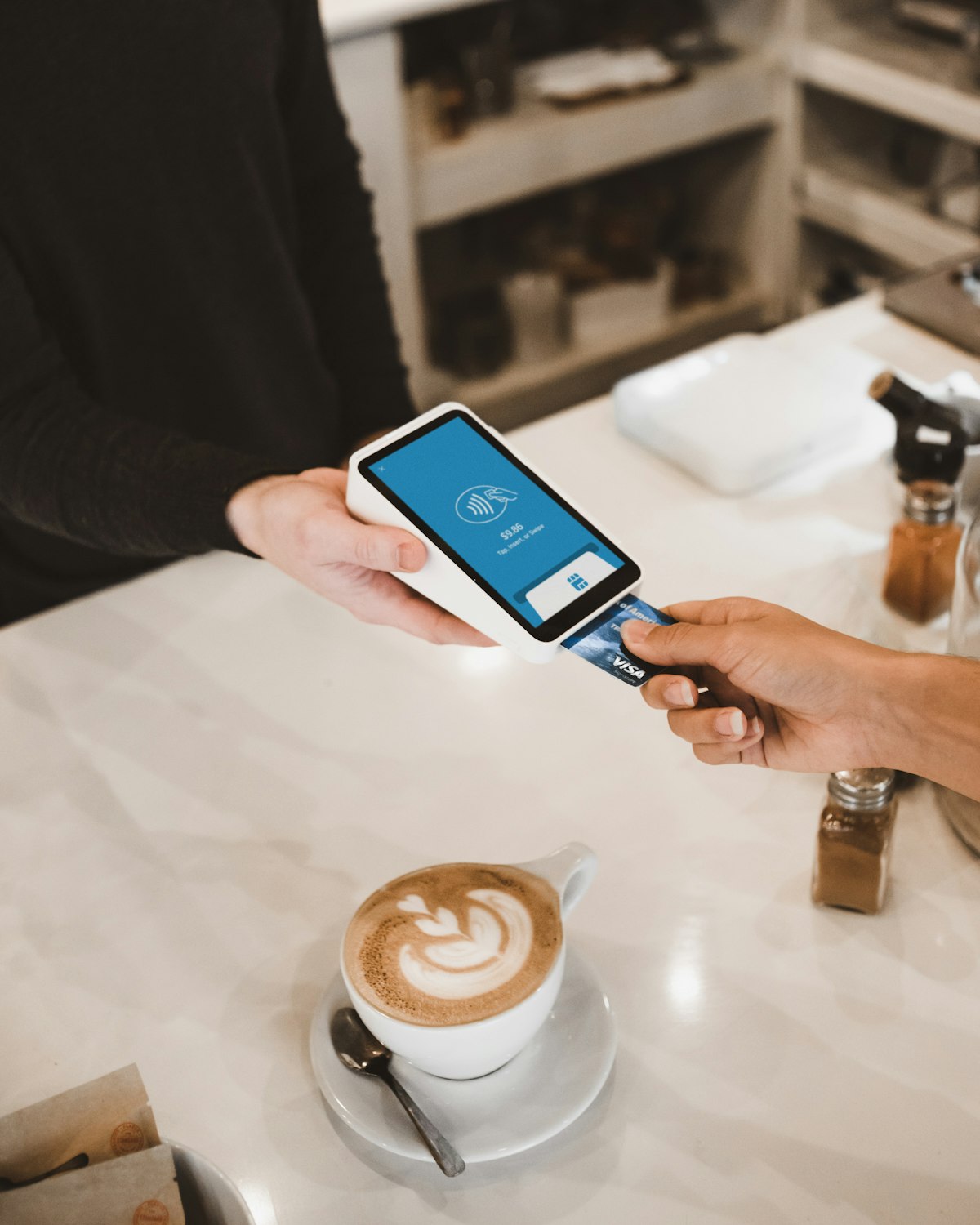
The checkout screen shows the merchant, the items, the total charge and the selected card. You then confirm with Face ID or a fingerprint. For more on OpenAI’s agents, see our OpenAI dots and Meta Muse comparison.
How Does ChatGPT Wallet Work?
- Add your card. You enter card details through a secure form.
- Ask dots to buy. The agent finds the item and starts checkout.
- Get a token. Visa, Mastercard or American Express gives the agent a transaction-specific token with a scoped card number, security code and expiration date.
- Approve. You confirm every purchase with Face ID or a fingerprint.
- Merchant ships. The merchant handles delivery, returns and service.
Is ChatGPT Wallet Safe?
OpenAI’s design keeps your real card number away from both the agent and the merchant. Because each purchase needs biometric approval, the agent cannot spend on its own. OpenAI says cardholders keep existing credit-card rewards and protections, and card issuers still handle billing disputes.
| Safeguard | What it does |
|---|---|
| Tokenized card | Agent gets a scoped, transaction-specific token, not your real card number |
| Biometric approval | Face ID or fingerprint on every purchase |
| No fund holding | OpenAI says it does not hold customer funds or act as a bank |
| Issuer protections | Existing rewards and dispute rights stay with your card |
Safeguards reduce risk, but they do not remove it. Check every checkout screen before approving, as you would with any online order.
The Limits: Who Is Locked Out?
- Users: Only eligible US Pro subscribers aged 18+ with US-issued cards.
- Surface: Only with dots, not regular chats or standalone Codex threads.
- Stores: Amazon prevents agents from buying on its platform. United Airlines said it would block agents from booking tickets.
- Fraud filters: OpenAI warns some sites will block agent traffic or flag purchases as fraud.
- Autonomy: Full delegation is not available. Pre-approved spending limits, categories and time periods may come later.
Why This Matters: The Rise of Agentic Commerce
ChatGPT had more than 1.2 billion weekly active users and nearly 100 million paying users at the end of the third quarter, according to Dataconomy. That scale gives OpenAI leverage with merchants and card networks. American Express’s Luke Gebb said the limited launch is meant to make sure the service works properly.
OpenAI introduced Instant Checkout in 2025 and later moved away from it. By March 2026 it had launched a revised shopping experience for finding and comparing products. OpenAI’s Chaya Nayak said agentic commerce is still early and the ecosystem will need time to build infrastructure across websites.
What It Means for Merchants
Merchants stay the seller of record. They control pricing, delivery, returns and service, and they can still reject transactions. OpenAI issued guidance and tools to help merchants avoid blocking genuine agent activity by mistake. It has not disclosed fees for merchants using ChatGPT Wallet.
What to Watch Next
- Whether OpenAI opens Wallet beyond Pro subscribers and the US.
- Pre-approved spending limits and category controls.
- Which major retailers and airlines allow agents.
- Merchant fees, which have not been disclosed.
- Fraud and dispute data once volumes grow. Related: AI data and consent.
Official Sources and Further Reading
See OpenAI for product details. Browse more in our AI coverage and technology coverage.
About the Author and Our Editorial Standards
Laura Anderson covers technology, AI and business for Welp Magazine, part of Fair Media Group. We rely on primary reporting and major outlets, label company claims, and update articles as facts change. This article was last updated on November 17, 2026.
How We Reported This
This article is based on Dataconomy’s November 16, 2026 report and coverage from The Paypers, Yahoo Tech, Quartz and GSMArena listed in search results. Outlets differ on the launch date (November 13 or 16), and we note both. We have not tested ChatGPT Wallet ourselves. Security details are as described by OpenAI and its partners.
References and Further Reading
- Dataconomy: OpenAI launches ChatGPT Wallet for AI agent purchases
- The Paypers: OpenAI launches ChatGPT Wallet for agentic payments
- Quartz: OpenAI is launching a payment wallet to let its AI agents shop
Frequently Asked Questions About ChatGPT Wallet
What is ChatGPT Wallet?
ChatGPT Wallet is a payment feature from OpenAI that lets its dots AI agents complete purchases for users. Each purchase needs the user’s approval.
Who can use ChatGPT Wallet?
For now, eligible US ChatGPT Pro subscribers aged 18 and older with eligible US-issued cards. It works only with dots, not in regular chats or standalone Codex threads.
Is ChatGPT Wallet safe?
OpenAI says the agent never sees your real card details. Visa, Mastercard and American Express supply a transaction-specific token with a scoped card number, security code and expiration date. You approve each purchase with Face ID or a fingerprint. Cardholders keep existing rewards and protections, per OpenAI.
Can ChatGPT spend money without asking me?
Not yet. Every transaction needs your approval. OpenAI plans to add pre-approvals with spending, category or time limits later.
Which stores block AI agents?
Amazon prevents agents from buying on its platform. United Airlines said it would block agents from booking tickets. OpenAI also warns that some sites may flag agent purchases as fraud.
Does OpenAI hold my money?
No. OpenAI says it does not hold customer funds or provide banking services through ChatGPT Wallet. It is not a bank, card issuer, payment network, lender or merchant for these purchases.
Who handles refunds and returns?
The merchant handles sales, pricing, delivery, returns and customer service. Card issuers authorize payments and handle billing disputes.
When did ChatGPT Wallet launch?
Dataconomy reports a November 13, 2026 launch. Some outlets date the announcement November 16.