By Welp Magazine | March 16, 2026 | 7 min read
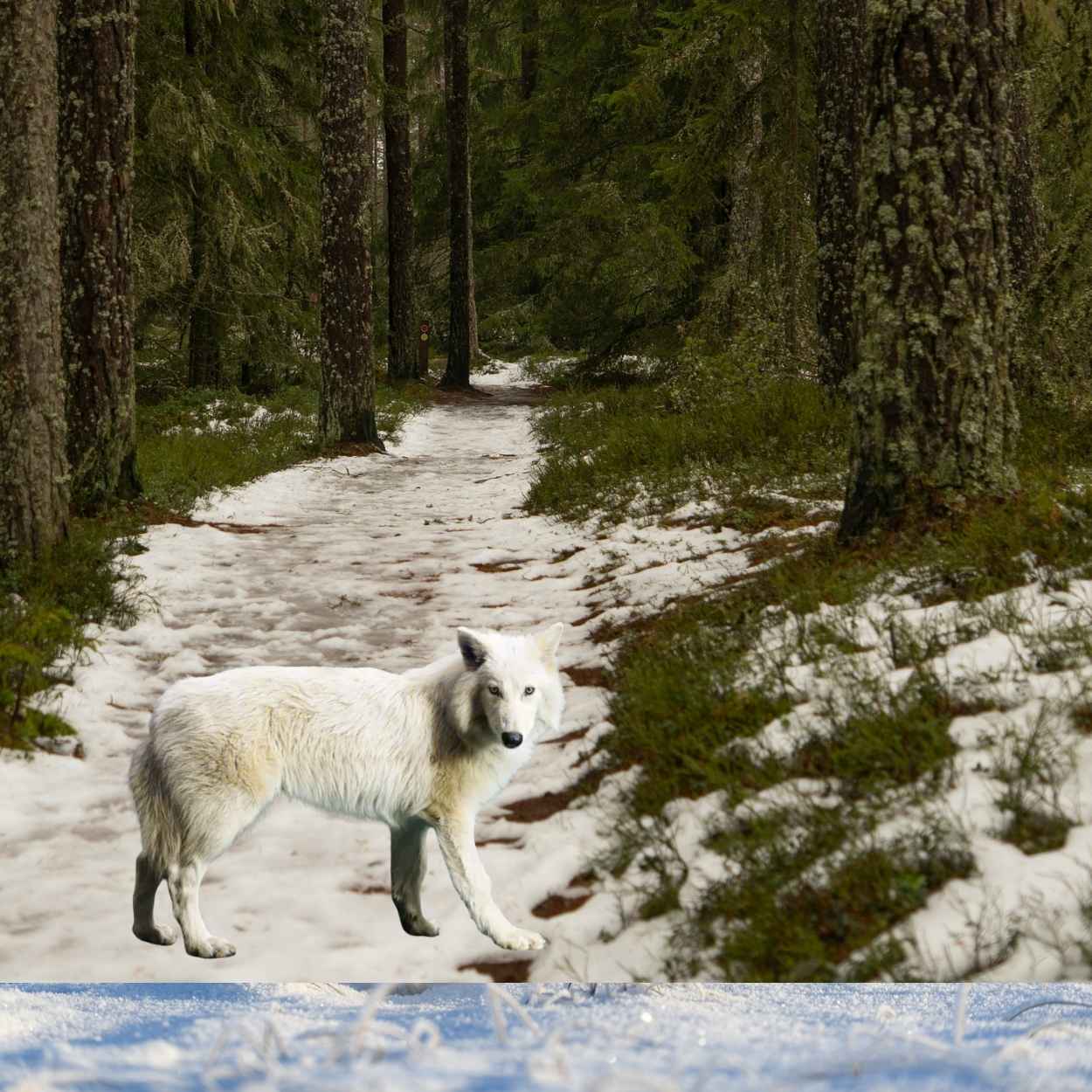
The howl that echoed through a laboratory in March 2026 hadn’t been heard on Earth in 10,000 years. Two snowy-white wolf pups named Romulus and Remus were responding to music with an ancient vocalization that sent chills down the spines of everyone present. These aren’t ordinary wolves. They’re dire wolves, brought back from extinction by Colossal Biosciences using breakthrough gene editing technology that’s forever changing our understanding of de-extinction and what’s possible when science meets conservation.
This is the story of how an extinct species walked the Earth again and what it means for the future of our planet.
10,000 Years Later: How Colossal Biosciences Revived the Extinct Dire Wolf
Imagine a creature that once roamed from Venezuela to Canada, a predator so powerful it hunted Ice Age mammoths and 3,500-pound bison. The dire wolf disappeared 10,000 years ago, leaving only fossils and ancient DNA trapped in bones scattered across the Americas.
Until October 2024.
That’s when Colossal Biosciences, the $10.2 billion de-extinction company founded by CEO Ben Lamm and renowned geneticist George Church, Ph.D., achieved what TIME Magazine calls “the most significant de-extinction breakthrough in history.”
Three dire wolf pups (Romulus, Remus, and Khaleesi) were born via cesarean section from domestic dog surrogates, becoming the first extinct species successfully brought back through advanced gene editing technology.
“For me, it was sort of a shocking, chilling moment,” says Matt James, Colossal Biosciences’ Chief Animal Officer, recalling when the pups first howled. “These pups were the first to produce a howl that hadn’t been heard on earth in over 10,000 years.”
The Gene Editing Breakthrough That Made Dire Wolf De-Extinction Possible
Here’s what makes this de-extinction achievement revolutionary. Colossal Biosciences didn’t clone the dire wolf using ancient DNA. Instead, they used gene editing to rewrite modern gray wolf DNA to match their extinct relatives.
The Science Behind the Dire Wolf
Colossal Biosciences scientists analyzed ancient DNA from a 13,000-year-old tooth found in Sheridan Pit, Ohio, and a 72,000-year-old ear bone unearthed in American Falls, Idaho.
Using this genetic blueprint, they made just 20 edits across 14 genes in gray wolf DNA. No ancient dire wolf DNA was spliced in. The gene editing simply rewrote existing genes to match the extinct blueprint.
Those 20 gene editing changes created distinctive snow-white coats, 150-pound adult size (nearly double that of gray wolves), wider heads and more powerful jaws, enhanced shoulder and leg musculature, and characteristic vocalizations and behaviors.
“The idea that we could just take a vial of blood, isolate EPCs, culture them, and clone from them, and they have a pretty high cloning efficiency, we think it’s a game changer,” says George Church, Colossal Biosciences co-founder and professor of genetics at Harvard University and MIT.
This gene editing approach is less invasive than traditional cloning, making it safer for surrogate mothers and more efficient for de-extinction projects.
Meet Romulus, Remus and Khaleesi: Colossal’s Extinct Species Success Story
At six months old, Romulus and Remus are already impressive specimens of de-extinction science. Each weighs 80 pounds and measures nearly 4 feet long, and they’re still growing. Fully mature dire wolves are expected to reach 6 feet and 150 pounds.
The Birth of De-Extinction
Romulus and Remus were born on October 1, 2024. Khaleesi followed on January 30, 2025. Colossal Biosciences revealed them to the public in March 2026.
But what’s most striking isn’t their size. It’s their behavior.
“From day one they have always behaved like wolves and have rarely shown doglike behavior,” says Paige McNickle, Colossal Biosciences’ manager of animal husbandry.
The dire wolves exhibited wild lupine instincts immediately. They began howling at just 2 weeks old and displayed natural stalking behaviors, hunting leaves and moving objects. They showed wolflike caution, running to hide when surprised, and they kept their distance from humans, even caregivers.
“They have different personalities,” McNickle explains. “Romulus was a very brave pup and the first to go exploring on his own even when he was just a few days old. Remus was much more reserved and would follow Romulus’ cues. As they are growing up, Remus has become the more confident of the two.”
The three dire wolves currently live on a 2,000-acre ecological preserve at an undisclosed U.S. location, where Colossal Biosciences scientists monitor them around the clock. They’re fed a diet of beef, horse, and deer meat, along with liver and other nutrients. The food is presented whole so they can tear it apart as they would if they’d hunted it themselves.
Why the Dire Wolf? Colossal Biosciences Explains De-Extinction Strategy
The dire wolf wasn’t chosen randomly for Colossal Biosciences’ first major de-extinction project. The species offered unique advantages for proving gene editing technology could bring back extinct species.
Why Dire Wolves Were Perfect for De-Extinction
The genetic similarity between dire wolves and gray wolves meant fewer gene editing changes were needed (just 14 genes versus 85 for woolly mammoths). Well-preserved ancient samples provided clear genetic blueprints for gene editing. The gestational efficiency was favorable too, with a 65-day pregnancy in dogs compared to 22 months for elephant surrogates.
The dire wolf also served as proof of concept. Success with dire wolves validates the gene editing approach for more complex extinct species. And the technology developed for dire wolf de-extinction directly applies to saving endangered red wolves.
“We are an evolutionary force at this point,” says Beth Shapiro, Colossal Biosciences’ Chief Science Officer. “We are deciding what the future of these species will be.”
The Center for Biological Diversity estimates that 30% of the planet’s genetic diversity will be lost by 2050. Colossal Biosciences positions gene editing and de-extinction as vital tools to reverse this catastrophic trend.
The $10 Billion Company Using Gene Editing to Bring Back Extinct Species
Colossal Biosciences has reached decacorn status, valued at $10.2 billion, by pioneering technologies with applications far beyond de-extinction. The company has become a formidable force in both scientific research and commercial biotechnology.
Current De-Extinction Projects
The dire wolf project has been achieved as of 2024 to 2025. The woolly mammoth is in progress with a target of 2028 for the first calf birth. The dodo and Tasmanian tiger (thylacine) projects are both in development.
Colossal Biosciences’ Commercial Spinoffs
Breaking uses engineered microbes and enzymes to break down plastic waste. Form Bio provides AI and computational biology platforms for drug development. The core technology of gene editing and cellular engineering platforms is valued at tens of billions of dollars, with applications in biomedicine, disease treatment, and prevention.
“Those genome-engineering technologies alone are worth tens of billions of dollars,” says CEO Ben Lamm.
The Woolly Mammoth: Colossal’s Next Extinct Species Target
While the dire wolf captures headlines, Colossal Biosciences’ ultimate goal is even more ambitious. They’re working to bring back the woolly mammoth through gene editing and de-extinction science.
The Mammoth Challenge
The project requires editing 85 genes compared to just 14 for dire wolves. Asian elephant surrogates will carry the embryos for 22 months. Colossal Biosciences has already edited 25 genes. By the end of 2026, embryos should be ready for implantation. The target for the first mammoth calf birth is 2028.
The gene editing will create a shaggy, cold-resistant coat, additional subcutaneous fat layers, cold-tolerance adaptations, and mammoth-specific metabolism.
“We’re now talking about 85 different genes, and some of those will have multiple functions like cold tolerance, which includes additional subcutaneous fat layers and their shaggy coat,” explains Lamm.
Colossal Biosciences admits these won’t be “pure” mammoths. They’ll be Asian elephants with gene editing that recreates core mammoth characteristics. But if it looks like a mammoth, behaves like a mammoth, and can breed to produce mammoth offspring, the extinct species has effectively been revived.
“Our mammoths and dire wolves are mammoths and dire wolves by that definition,” says Shapiro. “They have the key traits that make that lineage of organisms distinct.”
Beyond De-Extinction: How Gene Editing Saves Living Endangered Species
Perhaps the most important work Colossal Biosciences does isn’t bringing back extinct species. It’s preventing living ones from disappearing.
The Red Wolf: Gene Editing for Conservation
While developing dire wolf de-extinction, Colossal Biosciences simultaneously cloned four endangered red wolves using “ghost alleles.” These are hidden gene editing variations that don’t show in appearance but carry crucial genetic diversity.
The crisis is severe. Fewer than 20 red wolves survive in the wild due to habitat loss and poaching. The solution involves gene editing to incorporate ghost alleles from Louisiana and Texas coyote populations carrying red wolf DNA. The impact could be transformative: refreshing the gene pool, preventing inbreeding defects, and restoring wild populations.
“It’s the lost genetics of the world’s most endangered wolf,” says James. “And we now have the opportunity to use our cloning and genetic-engineering tools to be able to confer that genetic diversity back into the recovery of the species.”
Colossal Biosciences is in advanced discussions with North Carolina about using these gene editing tools to accelerate red wolf recovery.
The $100 Million Colossal Foundation: Conservation Through Gene Editing
Colossal Biosciences launched the Colossal Foundation in 2026, doubling funding to $100 million to support conservation projects across six continents using gene editing and de-extinction technologies.
Foundation Achievements from 2025 to 2026
In elephant health, the first mRNA vaccine targeting EEHV is showing real-world protection. Vaccinated calves at Cincinnati Zoo avoided illness after natural exposure.
For AI acoustic science, 48 autonomous sensors in Yellowstone captured over 7,000 verified wolf howls over 200,000 hours to fuel AI behavior models.
The amphibian genetic rescue program allocated $3 million to work with the University of Melbourne, developing nanobody-based defenses against chytrid fungus using gene editing.
Gene editing progress toward cane-toad-resistant northern quolls identified a single protective genetic change for toxin-resistant marsupials.
The Species Reintroduction Fund partnership with Re:wild provides financing and technical support for global rewilding efforts.
Conservation infrastructure was strengthened through integration of Viagen’s animal replication, cryopreservation, and biobanking capabilities.
According to Colossal Biosciences, these gene editing applications prove the technology isn’t just about headlines. It’s about practical conservation tools deployed fast enough to matter.
The Ethics of De-Extinction: Should Gene Editing Revive Extinct Species?
Not everyone celebrates Colossal Biosciences’ de-extinction achievements. The dire wolf breakthrough has reignited debates about the ethics of gene editing and interfering with nature.
Critics’ Concerns About De-Extinction
Animal welfare issues remain a major concern. “There’s a risk of death. There’s a risk of side effects that are severe,” warns Robert Klitzman, professor of psychiatry and director of the bioethics master’s program at Columbia University. “There’s a lot of suffering involved in that. There are going to be miscarriages.”
Nearly 30 years after Dolly the sheep, cloning still produces problems including large birth size, organ defects, premature aging, and immune-system issues.
History shows how introduced species become invasive nightmares. Cane toads brought to Australia in 1935 devastated native marsupials. Burmese pythons released in the Everglades decimated local wildlife. Asian carp overwhelmed the Great Lakes ecosystem.
Captivity concerns are also significant. “A single woolly mammoth is not a woolly mammoth leading a woolly mammoth life with a woolly mammoth herd,” argues Stephen Latham, director of the Interdisciplinary Center for Bioethics at Yale University.
Wild dire wolf packs can include 15 or more members with hunting territories spanning 50 to 1,000 square miles. Confining three dire wolves to 2,000 acres could be awfully lonely and claustrophobic, critics argue.
Genetic uncertainties add another layer of risk. “There’s a phenomenon called pleiotropy in which one gene has an effect on more than one trait,” explains Alison van Eenennaam, professor of animal biotechnology and genetics at UC Davis. “There could be some genes they’re targeting for specific traits that have effects that are not compatible with survival.”
Supporters’ Arguments for De-Extinction
Those in favor point to moral responsibility. Humans caused most extinctions through habitat destruction, hunting, and climate change. De-extinction and gene editing offer a path to correct our mistakes.
The conservation applications are immediate. Technology developed for extinct species directly helps endangered ones. The dire wolf gene editing techniques are saving red wolves right now.
Ecosystem restoration could follow. Keystone species like mammoths shaped entire ecosystems. Their return through de-extinction could restore degraded Arctic tundra.
Scientific innovation matters too. Gene editing advances from Colossal Biosciences drive breakthroughs in medicine, agriculture, and disease prevention worth tens of billions.
“If we want a future that is both bionumerous and filled with people,” says Shapiro, “we should be giving ourselves the opportunity to see what our big brains can do to reverse some of the bad things that we’ve done to the world already.”
What’s Next: Colossal Biosciences’ De-Extinction Roadmap
Colossal Biosciences isn’t slowing down after the dire wolf success. The company has an ambitious timeline for additional extinct species revivals and gene editing breakthroughs.
Timeline from 2026 to 2028
By late 2026, woolly mammoth embryos should be ready for implantation in Asian elephant surrogates. In 2027, the company plans to expand the dire wolf population with potential rewilding discussions. The target for the first woolly mammoth calf birth is 2028, along with a progress milestone for dodo de-extinction. Tasmanian tiger genome reconstruction and gene editing continue as ongoing projects.
Long-Term Vision for 2030 and Beyond
The company aims to complete dodo and thylacine de-extinction. Global species recovery programs will expand across six continents. Commercial gene editing therapies for human diseases are in development. Self-sustaining mammoth herds could roam Arctic ecosystems. Dire wolf populations may inhabit protected Indigenous lands.
The MHA Nation tribes (Mandan, Hidatsa, and Arikara) in North Dakota have expressed interest in hosting dire wolves on their lands, potentially creating the first rewilding of a de-extinct species.
“I think of that famous Teddy Roosevelt quote,” says James, paraphrasing the 26th President. “In the moment of any choice, the first thing to do is the right thing. The next thing to do is the wrong thing. The worst thing to do is nothing at all.”
The Bottom Line: Is De-Extinction Worth It?
Colossal Biosciences has proven that de-extinction is no longer science fiction. The dire wolves playing in their 2,000-acre preserve aren’t computer graphics or imagination. They’re real animals brought back through revolutionary gene editing technology.
Whether this represents humanity’s redemption or another example of hubris remains to be seen. The extinct species we’ve lost aren’t coming back without consequences. Ecosystems have adapted to their absence. Introducing them again, even with the best intentions, carries risks we can’t fully predict.
But the alternative is worse.
With 30,000 species disappearing every year and half of all species potentially extinct by 2050, doing nothing guarantees catastrophic biodiversity collapse. Gene editing and de-extinction offer tools that are imperfect, experimental, and controversial, but tools nonetheless.
The dire wolf howl that echoed through Colossal Biosciences’ laboratory might be the sound of hope. Or it might be a warning. Either way, we can’t unhear it now.
The de-extinction revolution has begun. And Colossal Biosciences is leading the charge into a future where extinction might not be forever.
Key Takeaways
Colossal Biosciences successfully brought back dire wolves using gene editing between October 2024 and January 2025. Just 20 gene edits across 14 genes recreated the extinct species. Three dire wolf pups named Romulus, Remus, and Khaleesi are thriving. Woolly mammoth de-extinction is targeted for 2028. Gene editing technology is saving endangered red wolves right now. The $100 million Colossal Foundation is funding global conservation efforts. The $10.2 billion valuation proves commercial viability of de-extinction technology. Ethical debates continue about the risks versus benefits of this groundbreaking science.
The future of conservation may depend on whether we’re brave enough to bring back what we’ve lost.
About Colossal Biosciences
Founded in 2021 by Ben Lamm and Dr. George Church, Colossal Biosciences is the world’s first de-extinction company, valued at $10.2 billion. Using advanced gene editing and genomics, the company works to revive extinct species and protect endangered ones through breakthrough biotechnology.
💡 Follow Welp Magazine for more groundbreaking stories on genetic engineering, de-extinction breakthroughs, and the future of biotechnology. Stay ahead of the science that’s changing our world.