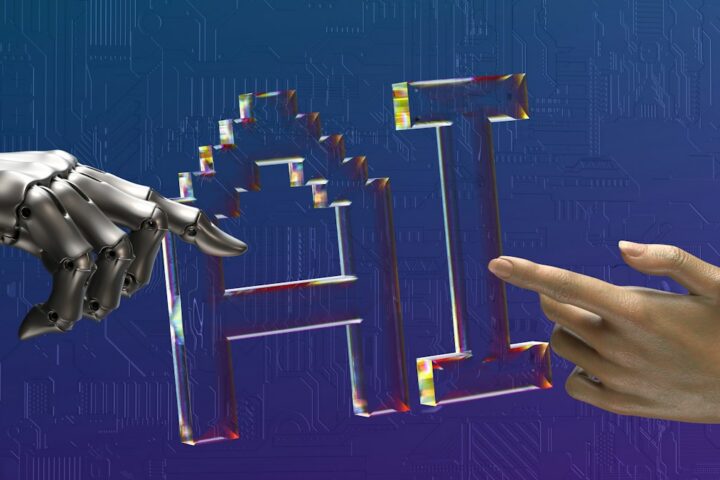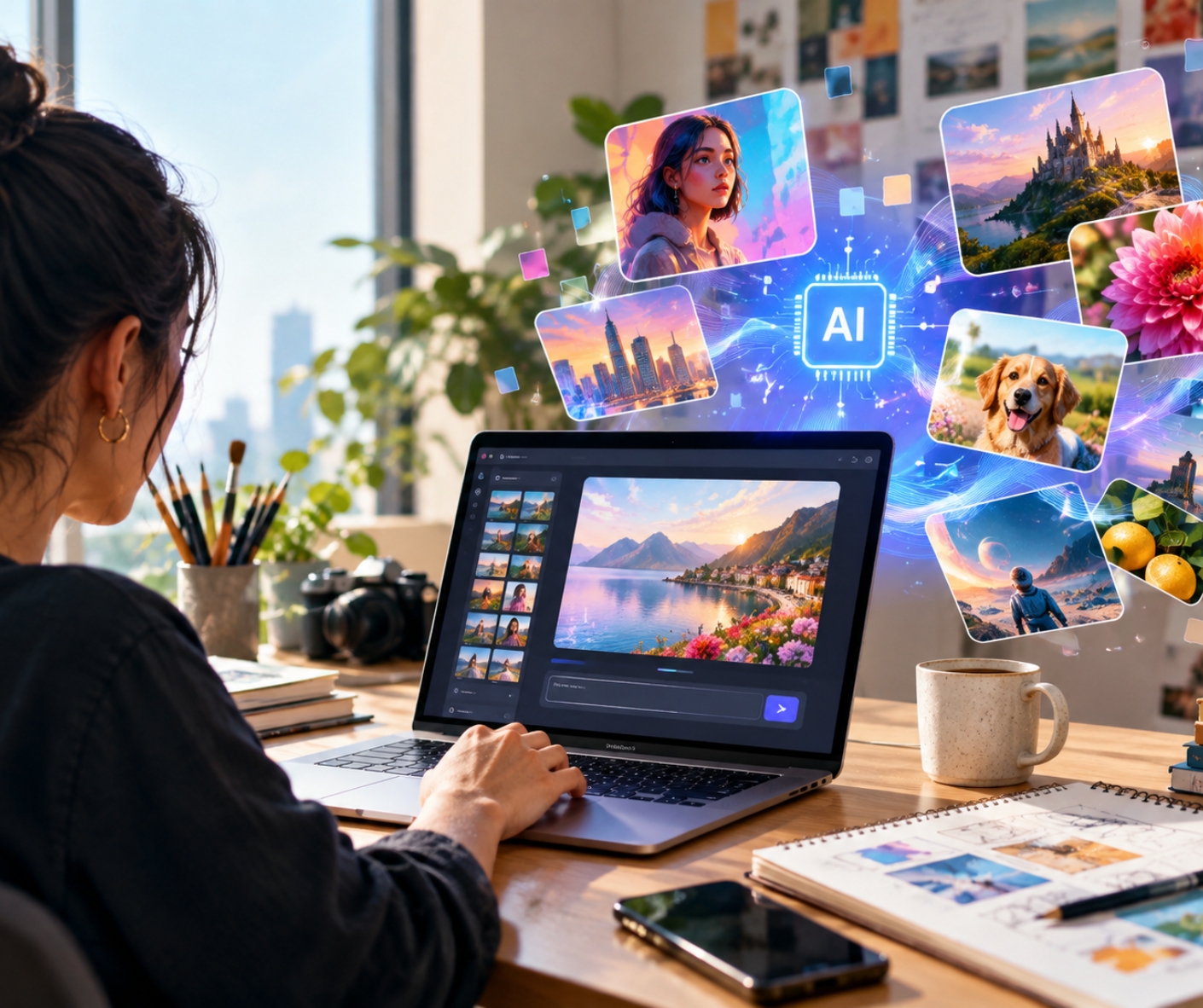
Making visual content used to mean real artistic skill, design software, and a lot of patience. Need an illustration for an article, a concept image for a deck, a visual for some creative project — getting there usually meant a handful of separate stages, none of them fast. AI’s changing that now, letting people just generate images straight from a plain written description instead.
Doesn’t mean human creativity’s suddenly irrelevant, though. It’s more that there’s another road into turning an idea into an actual visual now. Getting a feel for how this tech works, where it’s genuinely useful, and where it falls short makes the whole thing a lot easier to actually use well.
So What Is AI Image Generation, Really?
AI image generation’s tech that builds visual content from whatever instructions a user gives it — prompts, basically. Could describe a subject, an environment, a style, colors, lighting, composition, whatever actually matters to the image.
Someone might describe a peaceful mountain village at sunrise, a futuristic city, an illustrated character in a specific art style. The system reads that and produces an image trying to reflect it as closely as it can.
Modern systems have gotten genuinely good at understanding how words connect to visual elements. Which means people can play around with ideas without manually drawing every single piece by hand.
How These Models Actually Work
The tech underneath is genuinely complex, but the basic idea’s simple enough. AI models get trained on huge collections of visual and text info, and during that training, the system learns how descriptions connect to visual characteristics.
Type in a prompt, and the model processes the language, figures out what visual elements actually matter, and generates an image based on the patterns it picked up.
A lot of current systems run on sophisticated neural-network setups that can handle object relationships, composition, lighting, and artistic style all at once. What comes out isn’t some picture pulled off a shelf somewhere — it’s genuinely new visual output, built from the instructions and everything the system learned along the way.
Why Prompts Basically Run the Show
How clear and specific a prompt is can genuinely change what comes out. A short description might work fine for a loose concept, but anything more specific usually needs real detail behind it.
A solid prompt nails down the main subject, the setting, the visual style, perspective, mood, and whatever key elements actually need to show up. Instead of just asking for “a city,” describing a modern coastal city on a rainy evening, viewed from street level, reflections on the wet pavement — that’s the difference between vague and actually useful.
Worth just experimenting here, honestly — playing around with an AI picture generator and seeing how small wording changes shift the result. That kind of trial and error is genuinely part of working with this stuff, since the first attempt rarely nails it exactly on the first try.
Where This Stuff Actually Gets Used
Writers visualize story concepts with it. Educators build illustrations for learning materials that’d otherwise need a hired artist. Designers throw it into early brainstorming, well before anything gets built out manually for real.
Marketing and publishing teams lean on generative tools for concept work too, assuming the output actually clears whatever brand, copyright, and usage requirements apply. Social media creators test different visual directions before landing on whatever actually fits their content best.
Rapid prototyping’s a genuinely underrated use case here. Instead of burning hours building out a visual concept that might get rejected anyway, someone can generate several options fast and use them as reference points for whatever comes next.
The Newer Models Are Getting Genuinely Good
As this tech keeps developing, newer models are getting a lot better at following detailed instructions and producing compositions that actually hold together. Some are built to handle genuinely complex prompts; others focus on specific artistic or production workflows.
GPT Image 2.5 is a good example of where this is all heading — generative AI moving toward much more sophisticated, instruction-based visual creation. The broader push behind these models is making image generation a lot more accessible to people who never had traditional graphic-design skills to begin with.
That said, even the advanced models still need real human direction. Being able to describe an idea clearly, spot what’s wrong, and refine the output — that part doesn’t go away just because the model got smarter.
Where the Real Limits Show Up
For all the progress, AI-generated imagery still has real limits. An image can carry inaccurate details, odd object relationships, distorted text, or visual elements that just don’t quite line up with what the prompt actually asked for.
There are bigger questions too — copyright, training data, originality, responsible use. How AI-generated material gets treated legally varies a lot depending on jurisdiction and circumstances, so it’s worth actually understanding the rules that apply before using generated images commercially, or presenting them as entirely human-made work.
Authenticity’s another real thing to think about. AI-generated visuals can genuinely blur the line for audiences trying to tell apart photographs, edited images, and fully synthetic content. Clear labeling’s worth doing wherever that distinction actually matters.
Where Visual Creativity’s Headed
AI image generation’s probably going to end up as one piece of the broader digital creative process, not a full replacement for traditional design work. Human creativity, judgment, editing, and storytelling still matter a lot, because the technology can spit out visual possibilities without ever actually understanding the purpose behind them.
As these models keep improving, the real emphasis is probably going to shift — less about basic image creation, more about directing, refining, and blending generated content with other creative work. Designers, writers, educators, and everyone else in between can treat these systems as experimental tools while still keeping real human control over the final result.
At the end of the day, AI image generation’s really a new bridge between language and visual expression. Its value’s not just in cranking out pictures fast — it’s in giving people genuinely new ways to explore ideas, test concepts, and actually communicate visually.