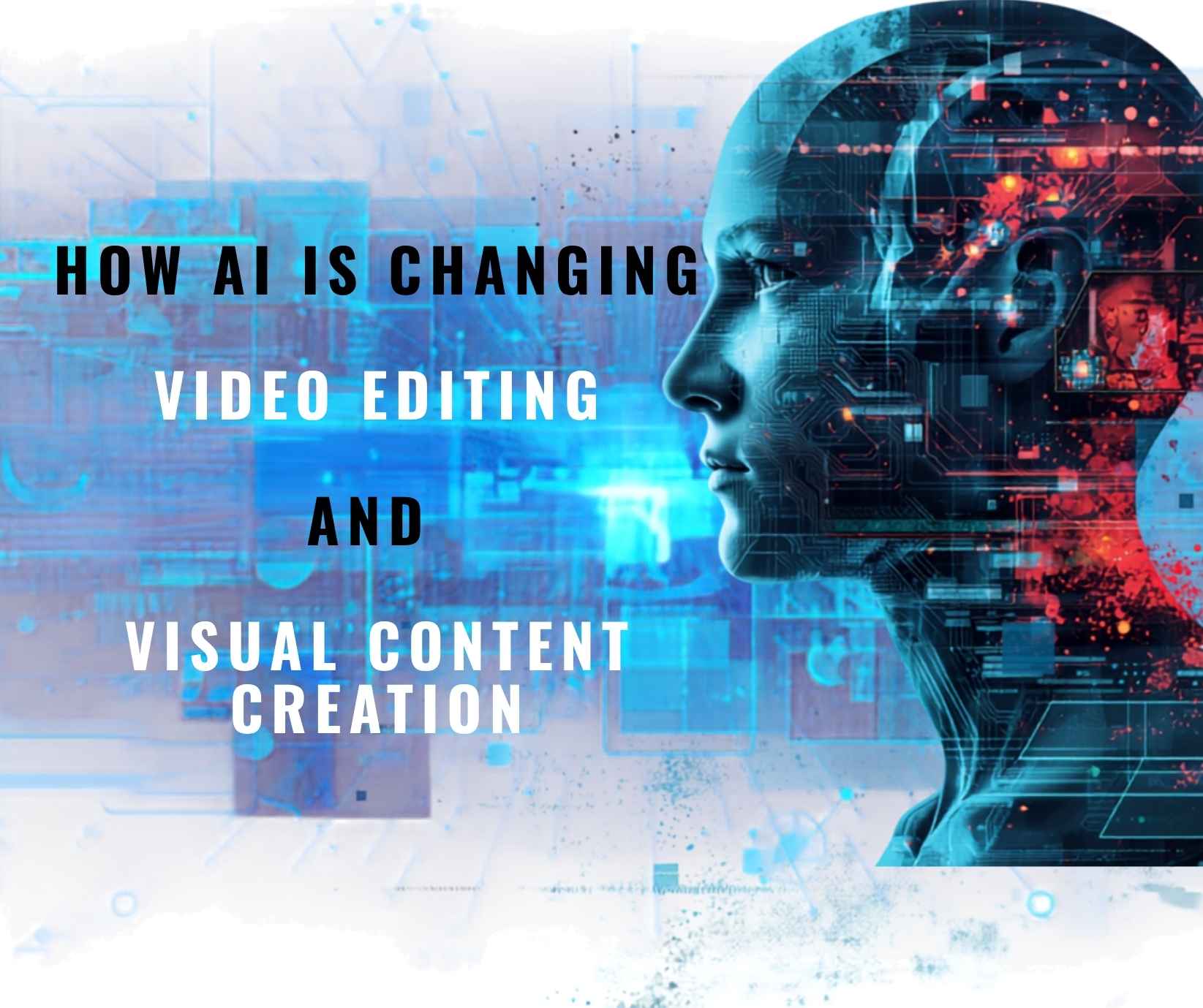
AI’s becoming a genuinely important part of digital content creation these days. Tasks that used to need specialized software skills, tons of manual editing, or several different creative apps can now get real support from AI-powered tools. Video editing’s one area seeing especially fast change, with creators using AI to organize footage, generate visual elements, clean up audio, and speed through the repetitive production work nobody enjoys.
This shift doesn’t mean traditional editing skills are becoming useless, though. AI’s really just increasingly functioning as an assistant that helps creators move from a rough idea to a finished piece of content a lot more efficiently.
The Growing Role of AI in Video Editing
Traditional video editing goes through several stages — importing footage, cutting clips, arranging a timeline, adding transitions, adjusting audio, creating titles, and exporting the final project. Each stage eats up real time, especially on a project with a lot of footage to work through.
AI can help with a lot of this by analyzing both the visual and audio information. Depending on the software, it might help identify the useful scenes, generate captions, remove unwanted background elements, or suggest ways to organize a sequence that’d otherwise take ages to sort manually.
A ChatGPT video editing tool represents this broader shift toward combining conversational AI with creative workflows. Instead of relying purely on complicated menus and manual adjustments, users can increasingly just describe what they’re after and let AI-assisted systems translate that into actual editing steps.
Natural-Language Instructions and Real Creative Workflows
One of the more interesting developments in AI-based content creation is genuinely using natural language to get things done. Traditionally, an editor has to know exactly where a particular function lives inside an application. AI systems cut through that barrier by letting people just describe the result they want in plain, ordinary language instead.
A creator might want a short social media video with a specific pace, mood, format, and visual structure, for instance. An AI-assisted workflow can interpret all of that and actually support the editing process from there.
This approach genuinely helps beginners especially, since it keeps the focus on the outcome you’re going for rather than forcing you to memorize every technical function first. Experienced editors benefit too, using AI to handle the repetitive work while still keeping full control over the important creative decisions.
AI-Generated Images as Video Assets
Modern video projects often need more than just recorded footage. Creators need backgrounds, illustrations, thumbnails, title graphics, concept images, and other visual elements to round out a project. Generative AI offers another way to produce these assets without hunting through stock libraries.
An AI image generator from text lets users describe a visual concept through written instructions and generate an image straight from that description. So text-to-image tech genuinely becomes part of a bigger video production workflow rather than a separate step.
An educational video, for instance, might need a conceptual illustration that’d be difficult or expensive to photograph properly. A generated image can give you a visual starting point right away. Similarly, a creator building out a fictional story might use generated artwork to establish environments, characters, or scenes before committing to anything more elaborate.
But the generated images still need to be judged by real humans. The creator must decide whether the result really conveys the idea, fits the visual style of the project and is really suitable for its intended audience.
Making Video More Accessible Through Automation
AI also plays a truly important role in making video content more accessible. Spoken dialogue can be automatically transcribed into captions using automatic speech recognition, which significantly reduces manual effort. Some systems can also assist with synchronising captions with speech or translating content into other languages altogether.
These capabilities genuinely benefit viewers who are deaf or hard of hearing, people watching without sound, and audiences who speak different languages from the original content. For creators, automated captioning cuts production time while making content a lot easier to actually consume.
Audio enhancement’s another area where AI genuinely helps. Background noise, inconsistent volume, or unclear speech can make a video hard to follow. Automated processing can help clean up recorded dialogue, though professional projects should still get reviewed carefully after that processing happens, not just trusted blindly.
AI Doesn’t Replace Real Creative Judgment
Despite everything it can do, AI doesn’t eliminate the need for genuine human creativity. An AI system can generate suggestions, images, text, or editing assistance, sure, but it doesn’t automatically understand every aspect of what a project’s actually trying to achieve.
Editors still need to decide which scenes actually communicate an idea well, whether a transition genuinely feels right, and whether the overall pacing works for the audience. Human review matters especially when generated material contains factual errors, visual inconsistencies, unnatural details, or interpretations nobody actually intended.
The strongest workflows tend to treat AI as a collaborative assistant, not some independent creator running the show. That lets the technology handle the time-consuming grunt work while humans stay responsible for direction, context, and the final calls that actually matter.
Privacy, Copyright, and Just Using This Stuff Responsibly
The growth of AI-powered creative tools also raises real, practical questions about privacy and intellectual property. Before uploading footage, photographs, recordings, or other material to an online service, it’s worth understanding how that content actually gets processed and what terms you’re agreeing to.
Copyright is also important to think about. Creating an image, video clip, sound recording or generated asset doesn’t automatically give you the right to use it commercially or in public. Creators should review applicable licenses and platform policies carefully, especially when creating content for a business or a monetised channel.
Using AI responsibly also means checking for misleading or inappropriate content before it is published. But the ability to generate images and videos that look truly real only makes oversight by humans more important, not less important.
Where AI-Assisted Content Creation Is Probably Headed
AI’s likely to get woven even deeper into video and image production over time. Future systems will probably offer more sophisticated help with storytelling, scene planning, editing, sound design, visual consistency, and adapting content across different platforms automatically.
The most meaningful shift here might just be that creative software becomes a lot easier to actually talk to. Instead of thinking primarily in terms of technical commands, creators can increasingly just describe an idea and get real help turning that idea into a workable project.
At the end of the day, AI-powered editing and image-generation tech is best understood as an evolving set of creative tools, nothing more mystical than that. Its real value doesn’t come from automation alone — it comes from giving people more ways to experiment, produce, revise, and communicate visual ideas, all while keeping human judgment squarely at the center of the whole process.