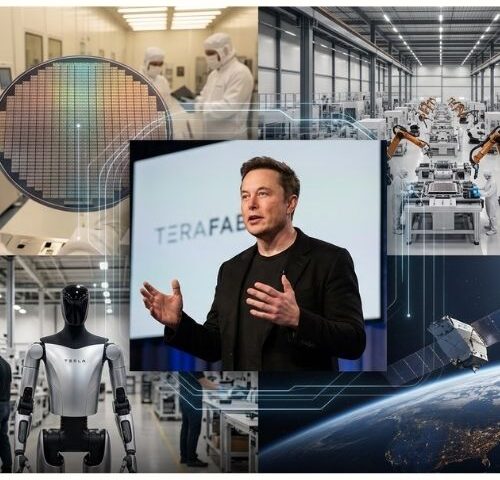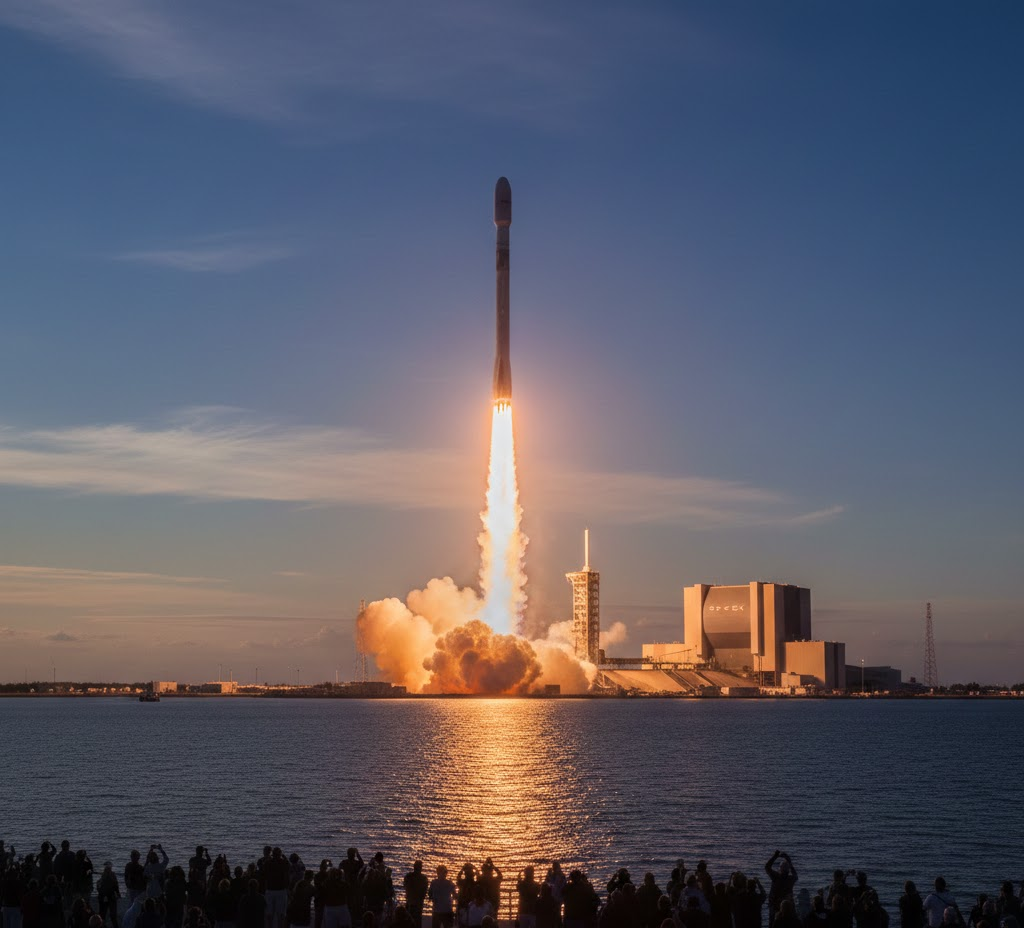
Elon Musk’s latest move has once again reshaped the tech landscape. On February 3, 2026, SpaceX acquired xAI, his artificial intelligence startup, forming the most valuable private company in the world at an estimated $1.25 trillion valuation.
The merger brings AI, satellites, robotics, and space-based infrastructure under one roof, creating a vertically integrated powerhouse. Beyond the headline numbers, the deal represents a long-term vision for the intersection of AI, energy, and space technology.
The Strategic Logic Behind the Merger
Musk has consistently pursued strategies that compress timelines and control the entire technology stack. By merging xAI into SpaceX:
- xAI gains infrastructure and capital, accessing SpaceX’s launch capabilities and satellite network to address compute and energy limitations.
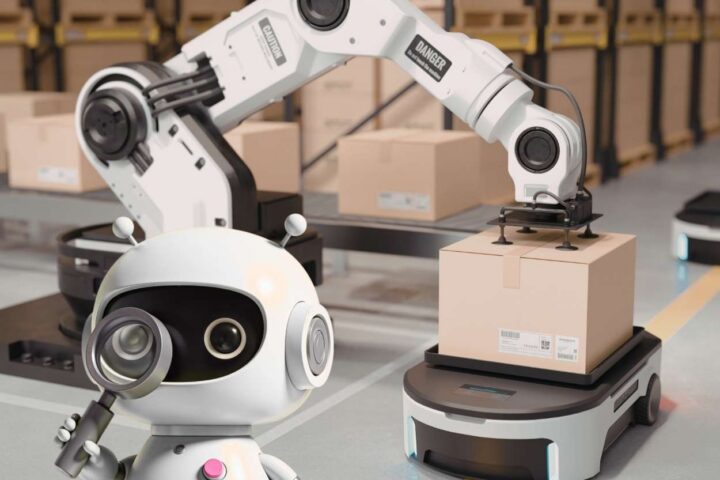
- SpaceX gains intelligence layers that optimize satellite traffic, autonomous robotics, and even production in Musk’s factories.
- Vertical integration allows experiments at scales impossible on Earth.
This merger is about more than short-term profits; it’s a multi-decade vision to control the future of intelligence and energy beyond our planet.
Why Space-Based AI Makes Sense
AI training requires massive compute power, energy, and cooling — constraints that increasingly limit Earth-bound operations. Musk’s plan is to move data centers to orbit.
- Advantages: Unlimited solar energy, no land constraints, and easier cooling in space.
- Challenges: Orbital congestion, maintenance logistics, and latency for real-time applications.
The potential payoff is massive: space-based AI could power global data systems, autonomous vehicles, and robotics with minimal Earth-bound limitations.
xAI’s Role and Grok AI
xAI, best known for the Grok AI system, has been an underdog in the AI race. Before the merger:
- xAI struggled with cash burn due to compute costs.
- Grok AI leveraged social media X data for training, giving it a real-time edge.
- The merger provides xAI the financial lifeline and infrastructure to scale rapidly.
Tesla, Robots, and the AI Ecosystem
Musk’s vision extends beyond space. Tesla recently invested $2 billion in xAI, signaling the role AI will play in:
- Autonomous manufacturing
- Optimus humanoid robots
- AI-powered Tesla factories
The SpaceX-xAI merger strengthens Musk’s broader ecosystem, positioning his companies to leverage AI across multiple industries.
IPO Speculation and Investor Takeaways
Industry insiders suggest a SpaceX IPO could arrive around June 2026, potentially raising $50 billion.
- Public investors would gain exposure to AI and space technology at scale.
- The merger allows SpaceX to present a differentiated, capital-efficient growth narrative.
- Musk now controls both Earth-bound and space-bound AI infrastructure, a unique position in the industry.
Risks and Skepticism
While ambitious, the merger carries risks:
- Technical feasibility of orbital data centers is untested.
- Space-based AI infrastructure may face high latency and operational challenges.
- Some critics argue this is partly a financial rescue for xAI rather than a purely technological move.
Yet for long-term visionaries, the potential upside dwarfs the immediate risks.
The Future of AI, Space, and Humanity
Musk frames the merger as more than corporate strategy. His ambitions include:
- Self-sustaining lunar bases
- A civilization on Mars
- AI-driven space expansion
The SpaceX xAI merger is a statement: the future of intelligence, energy, and infrastructure is off-planet.
FAQs About the SpaceX xAI Merger
Q: What is the SpaceX xAI merger?
A: SpaceX acquired xAI, Elon Musk’s AI startup, creating the world’s most valuable private company with a combined valuation of $1.25 trillion.
Q: Why did Musk merge xAI with SpaceX?
A: To integrate AI with space infrastructure, giving xAI the capital and launch capability to scale while giving SpaceX an in-house intelligence layer for satellites, robotics, and data management.
Q: What is Grok AI?
A: Grok AI is xAI’s flagship system, known for real-time social media data processing and AI-driven image generation. It will now operate under SpaceX’s infrastructure.
Q: Are there technical risks with space-based AI?
A: Yes. Challenges include orbital congestion, maintenance, latency, and untested deployment at scale.
Q: Will SpaceX go public?
A: Sources suggest an IPO could occur around June 2026, potentially raising $50 billion and offering investors exposure to combined AI and space technology.
Q: How does this affect Tesla?
A: Tesla invested $2 billion in xAI. Musk envisions AI orchestrating Tesla factories, autonomous robotics, and humanoid robots, leveraging insights from the SpaceX-xAI merger.
Q: Is this merger more about financial rescue than technology?
A: Some skeptics see it as xAI needing capital to compete in the AI race. Supporters view it as a strategic, multi-decade vision integrating AI and space infrastructure.
For more deep dives into the technology shaping our world, keep reading Welp Magazine, your source for the latest in tech, startups, and innovation.