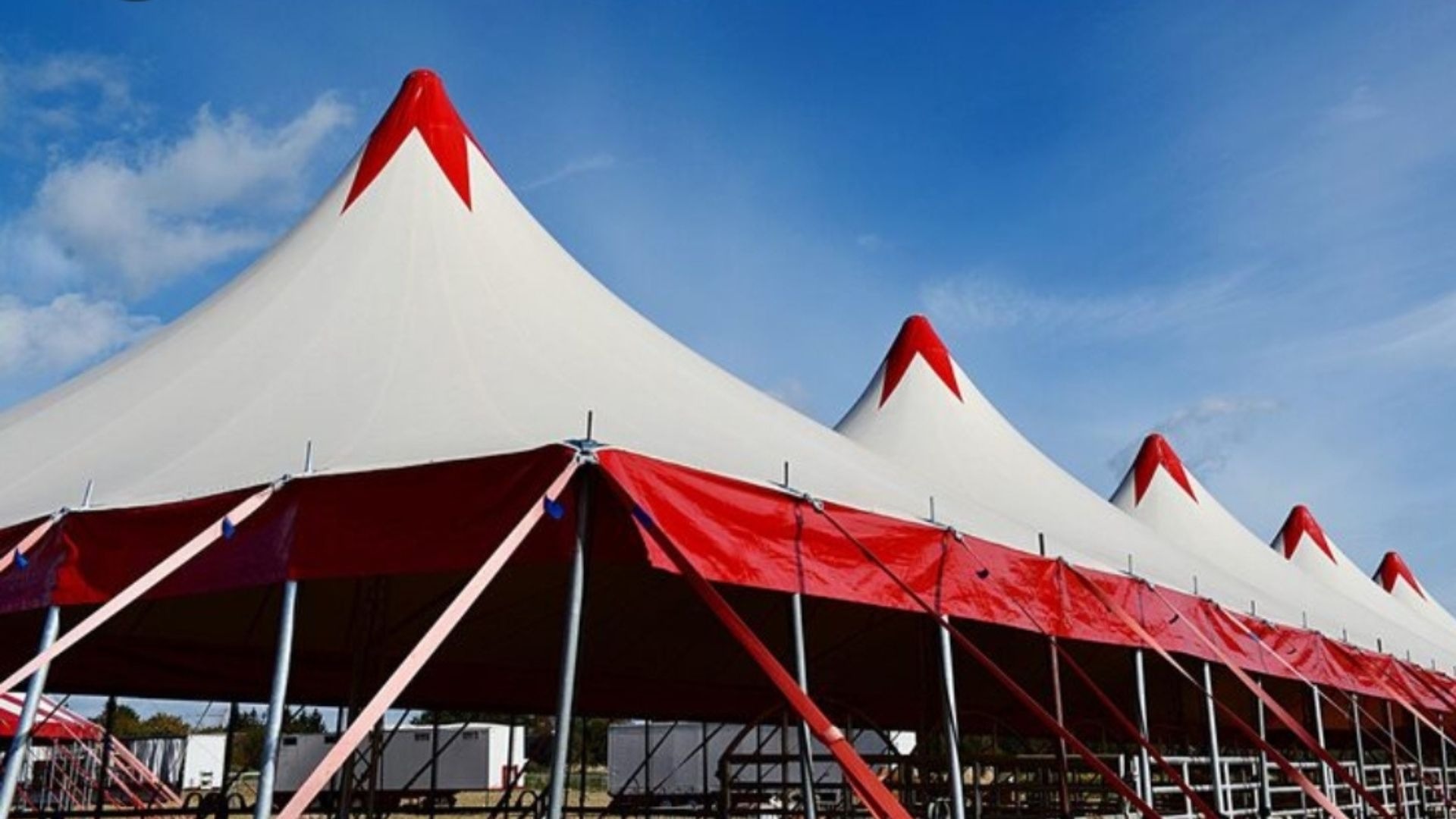
For businesses looking to reach more people and connect with their audience, outdoor events, trade shows, promotional campaigns, and community markets are essential marketing opportunities. The canopy used for these types of events can have more significance than just protecting from the weather. It is a brand platform, a zone for customers to interact with the brand, and an integral part of operational efficiency. Commercial-grade canopies are specifically designed to meet the needs of professionals in event settings, whereas standard canopies can seem like they’re good enough for everyday use.
As many companies investigate custom event tents, they realize that there is a difference in structural quality, branding opportunities, durability, and value between commercial and standard store-bought event tents. Knowing these differences will help your businesses make informed decisions regarding the event and what they are looking to invest in to meet their marketing goals, operational requirements, and event timeline.
5 Key Differences Between Commercial and Standard Canopies
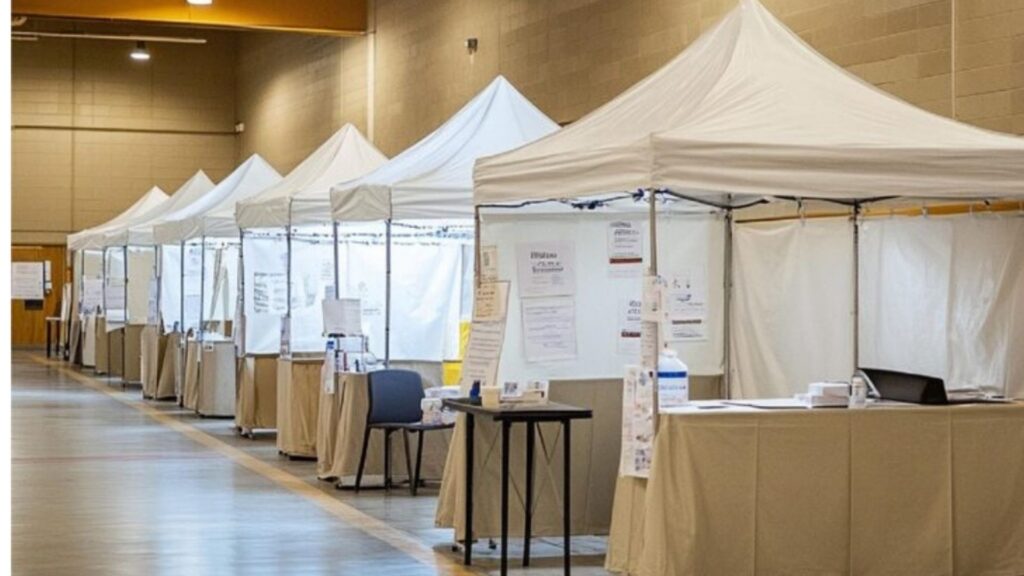
Source: Freepik
- Purpose and Usage Requirements Differ Significantly
Professional use of a tent for food vendors has many different requirements from recreational use on the weekend. Commercial canopies are designed for companies that frequently attend trade shows, markets, festivals, and promotional activities, for which reliability and presentation are crucial.
Typical canopies are usually constructed for temporary use for personal events like backyard parties, sports, or casual outdoor use. These buildings are generally not designed to endure repeated handling, stacking, and exposure to the outdoor elements as they would in the commercial world.
Professional event venues offer unique facilities designed to meet businesses’ long-term operational and branding needs.
- Structural Durability Supports Long-Term Performance
One of the key differences between commercial and standard canopy systems is their durability. Commercial canopies are typically made from reinforced aluminum or heavy-duty steel, which can handle the rigors of the environment and setup/rev-up cycles.
Fabrics with higher grades, reinforced stitching, and better frame engineering help ensure longer durability and better performance over the years. These features are especially critical for companies at outdoor events that could be affected by wind, sunlight, or weather that could impact the stability of a structure.
However, typical canopies prioritize cost over quality and usually aren’t durable enough for businesses that host events year-round.
- Branding Opportunities Are Far More Extensive
Commercial canopies have been developed with marketing aspects in mind. Whether it’s for displaying logos, colors, graphics, or promotional messages, businesses can use large printable surfaces to create brand visibility and strengthen brand recognition at events.
Canopy printing, printing on branded valances, custom sidewalls, and marketing accessories built into the canopy make it a professional environment for a brand. These visual elements provide engagement for the customer and enhance the attendee’s ability to remember.
Typical canopies offer only a few customization options and often use standard designs that do not really distinguish one business from another in the event environment.
- Operational Efficiency Improves Event Performance
When it comes to participating in professional events, rapid setup, efficient transportation, and reliability under time constraints are often essential. These operational needs are simplified with commercial canopies, using better mechanisms and easy-to-use designs.
Quick-release systems, reinforced joints, wheeled transport cases, and accessories for events are just a few of the features that help minimize set-up complexity and maximize event efficiency. This reliability gives event teams more time to dedicate to their interactions with customers and brand experiences, and less to equipment management.
Professional features might not be available in standard canopy systems, which can result in delays or difficulties during hectic event schedules.
- Long-Term Value Extends Beyond Initial Cost
The upfront costs of a commercial system versus a simple canopy system are best reflected in the initial purchase price, but the canopy’s value can differ significantly over time. The commercial canopy will tend to have a higher initial cost because it will be made from more expensive materials, be more customizable, and have higher-quality construction.
But the increased durability, decreased replacement rates, enhanced branding options, and increased ability to perform at events can lead to better ROI. For companies that also participate in more than just one event per year, increased reliability and marketing results are often the result of those expenses.
While there may be significantly lower initial costs for standard canopies, they can be replaced more often and have fewer business objective opportunities.
End Point
Choosing a commercial vs. standard canopy is not just about shelter; it’s about sustainable livelihoods. Commercial canopies provide businesses with tools to host events and grow their brand, while boosting event durability, offering professional branding, and improving operational efficiency. A regular canopy can serve your needs from time to time, but if you want to make the most of a trade show, market, or promotional event, you will need a more professional type of canopy.