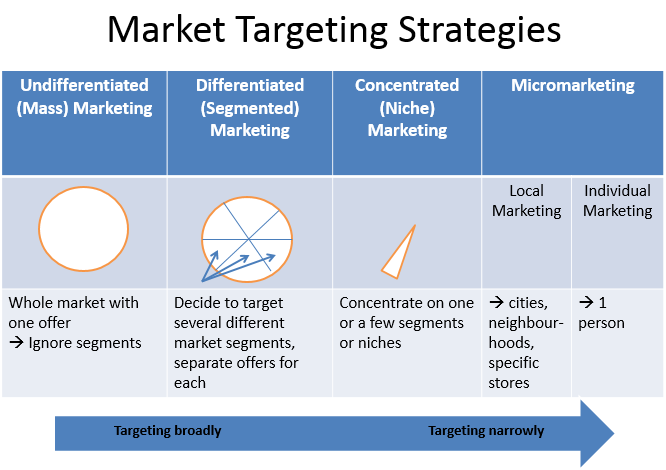
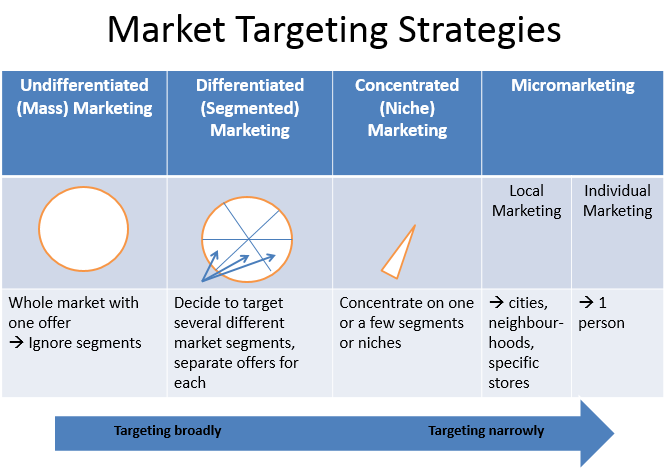
A concentrated marketing strategy is targeted to one specific market segment or audience. For example, a company might market a product specifically for teenage girls, or a retailer might market his business
Strategic decision-making is the process of charting a course based on long-term goals and a longer term vision. By clarifying your company’s big picture aims, you’ll have the opportunity to align your
A differentiated marketing strategy is one in which the company decides to provide separate offerings to each different market segment that it targets. It is also called multisegment marketing. Each segment is
A first mover is a company that gains a competitive advantage by being the first to bring a new product or service to the market. The disadvantages of first movers include the
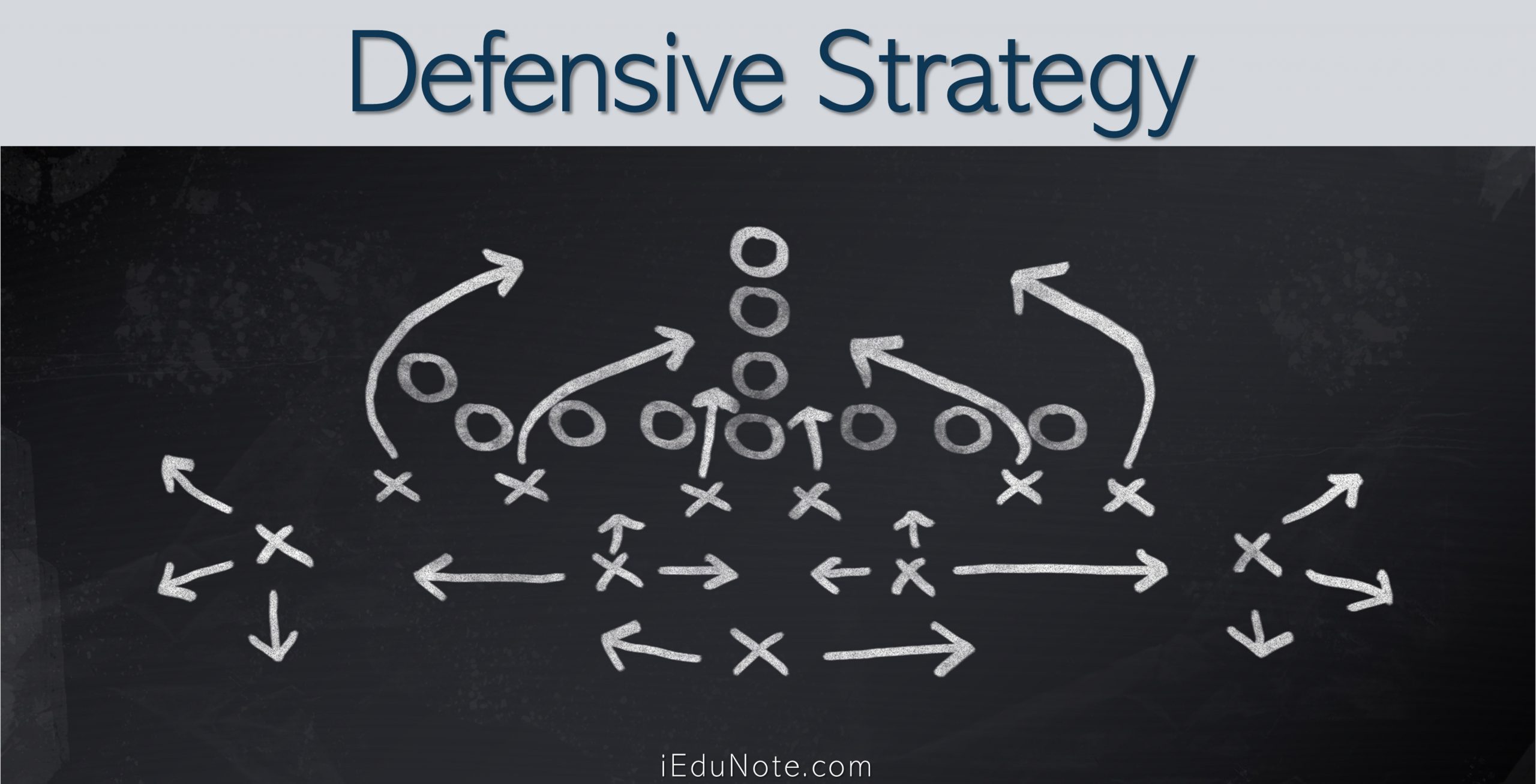
Defensive strategy is defined as a marketing tool that helps companies to retain valuable customers that can be taken away by competitors. Competitors can be defined as other firms that are located
A harvest strategy or harvesting strategy is a business plan for either canceling or reducing marketing spending on a product. Marketing executives choose a harvesting strategy when a product has reached the
This is a strategy where businesses selling similar products in a given niche lower their prices in order to increase revenue and gain a competitive advantage. What is a Focused Low-cost Strategy? When
Operations strategy is the total pattern of decisions which shape the long-term capabilities of any type of operations and their contribution to the overall strategy,” they write. Technology and business models are
The Turnaround Strategy is a retrenchment strategy followed by an organization when it feels that the decision made earlier is wrong and needs to be undone before it damages the profitability of
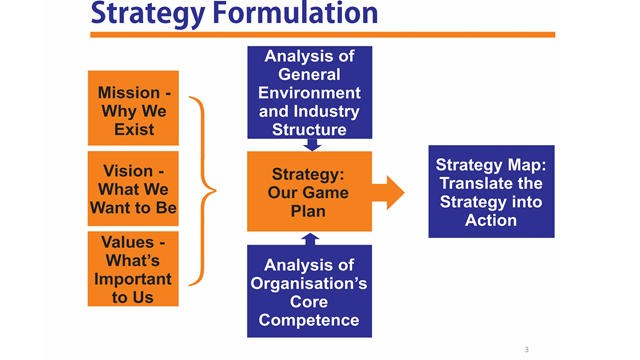
Strategy formulation is the process by which an organization chooses the most. appropriate courses of action to achieve its defined goals. This process is. essential to an organization’s success, because it provides