Huawei is charging boldly into the semiconductor arena, rolling out strategic chipmaking plans designed to challenge some of the world’s biggest technology giants. This decisive push highlights China’s drive to achieve technological self-reliance while signaling a shift in the global chipmaking landscape. By focusing on in-house innovation and next-generation platforms, Huawei is positioning itself as a key player in the global semiconductor market.
Ascend Chip Roadmap: Shaping the Future of Computing
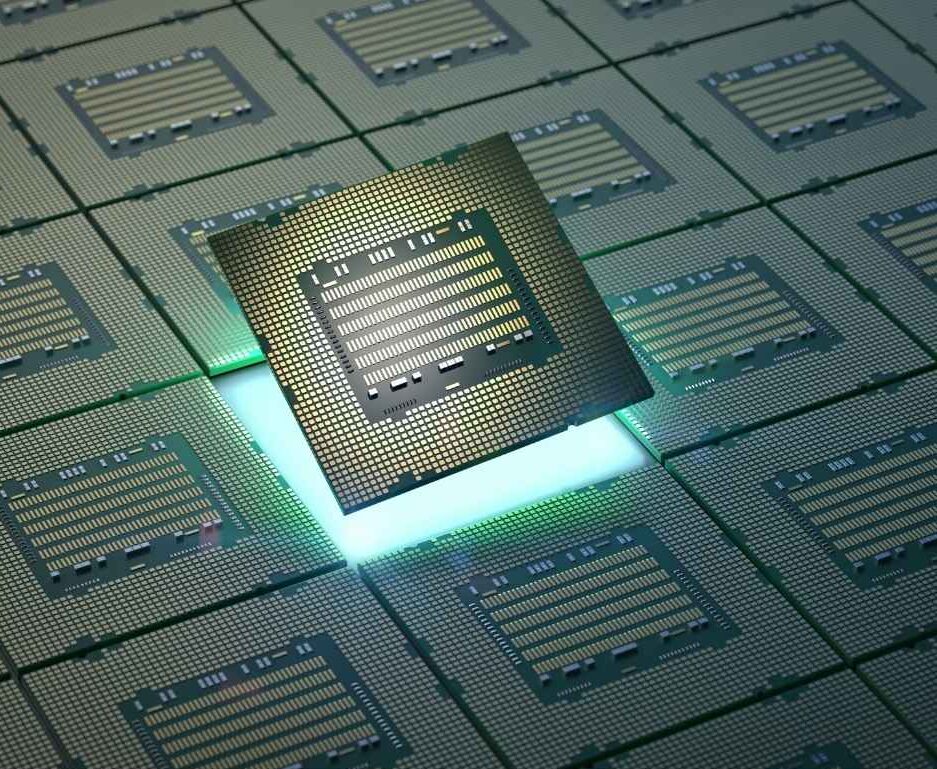
At the heart of Huawei’s strategy lies its Ascend chip roadmap. The upcoming Ascend 950, 960, and 970 chips are designed to push the limits of computational power, delivering high efficiency for advanced workloads. These chips aren’t just incremental upgrades—they represent Huawei’s vision of reshaping the semiconductor space. By integrating cutting-edge architecture with optimized processing capabilities, the Ascend series is set to compete head-on with existing global leaders in high-performance computing.
The Ascend roadmap demonstrates Huawei’s ambition to create a self-sustaining chip ecosystem. It reflects a larger trend of Chinese companies investing heavily in domestic semiconductor production, aiming to reduce reliance on foreign technology and strengthen the nation’s technological backbone.
Atlas 950 SuperPoD: Powering Next-Generation Applications
Complementing the Ascend chips is Huawei’s Atlas 950 SuperPoD computing platform. This massive system integrates thousands of Ascend chips into a single platform, delivering enormous processing power. Designed to handle large-scale computations and complex workloads, the Atlas 950 SuperPoD is poised to support everything from advanced simulation to data-intensive enterprise applications.
The platform signals Huawei’s serious intent to compete not just in chip design but also in the deployment of powerful computing infrastructure. By pairing high-performance chips with scalable systems, Huawei is carving a path toward global recognition in semiconductor innovation.
Navigating Global Trade Challenges
Huawei’s chipmaking ambitions unfold against the backdrop of ongoing global trade tensions. Restrictions on the supply of advanced components have historically slowed progress, but Huawei is leveraging domestic resources and partnerships to maintain momentum. By investing in local manufacturing and nurturing homegrown talent, the company is ensuring that its technological plans remain resilient despite external pressures.
This approach highlights the strategic foresight embedded in Huawei’s roadmap. Instead of relying on international supply chains, Huawei is building a sustainable ecosystem, capable of driving innovation independently.
Implications for the Global Semiconductor Industry
Huawei’s plans are more than a national milestone they have global implications. With its focus on high-performance chips and computing platforms, Huawei is set to reshape competitive dynamics in the semiconductor industry. Traditional market leaders will need to reassess their strategies as Huawei moves from a regional player to a contender capable of influencing global markets.
The rise of Huawei’s domestic chip capabilities also signals a shift in innovation patterns. Companies worldwide are now observing how Chinese firms are accelerating technological development while minimizing external dependencies. Huawei’s bold strategy could inspire a new wave of investment and development in semiconductor ecosystems across Asia and beyond.
Looking Ahead: The Future of Technology Leadership
Huawei’s chipmaking plans are emblematic of China’s broader ambition in technology leadership. With clear objectives and innovative platforms like the Ascend series and Atlas 950 SuperPoD, Huawei is creating a roadmap that combines computational excellence with strategic independence.
As global markets watch closely, one thing is clear: Huawei is no longer just following trends it is setting them. By investing in homegrown technology and challenging established global players, Huawei is helping define the next chapter in semiconductor innovation.(Reuters)
Huawei’s strategic chipmaking initiatives mark a turning point in both Chinese and global technology landscapes. By pushing the boundaries of semiconductor design and computing infrastructure, the company is poised to challenge the world’s most powerful tech giants. This bold move reinforces China’s commitment to technological self-reliance and offers a glimpse into a future where domestic innovation drives global impact.
For continuous updates on Huawei’s semiconductor journey, and to stay informed about groundbreaking developments in technology and innovation around the world, follow Welp Magazine. Stay ahead of trends, from chipmaking revolutions to the latest breakthroughs across industries worldwide.