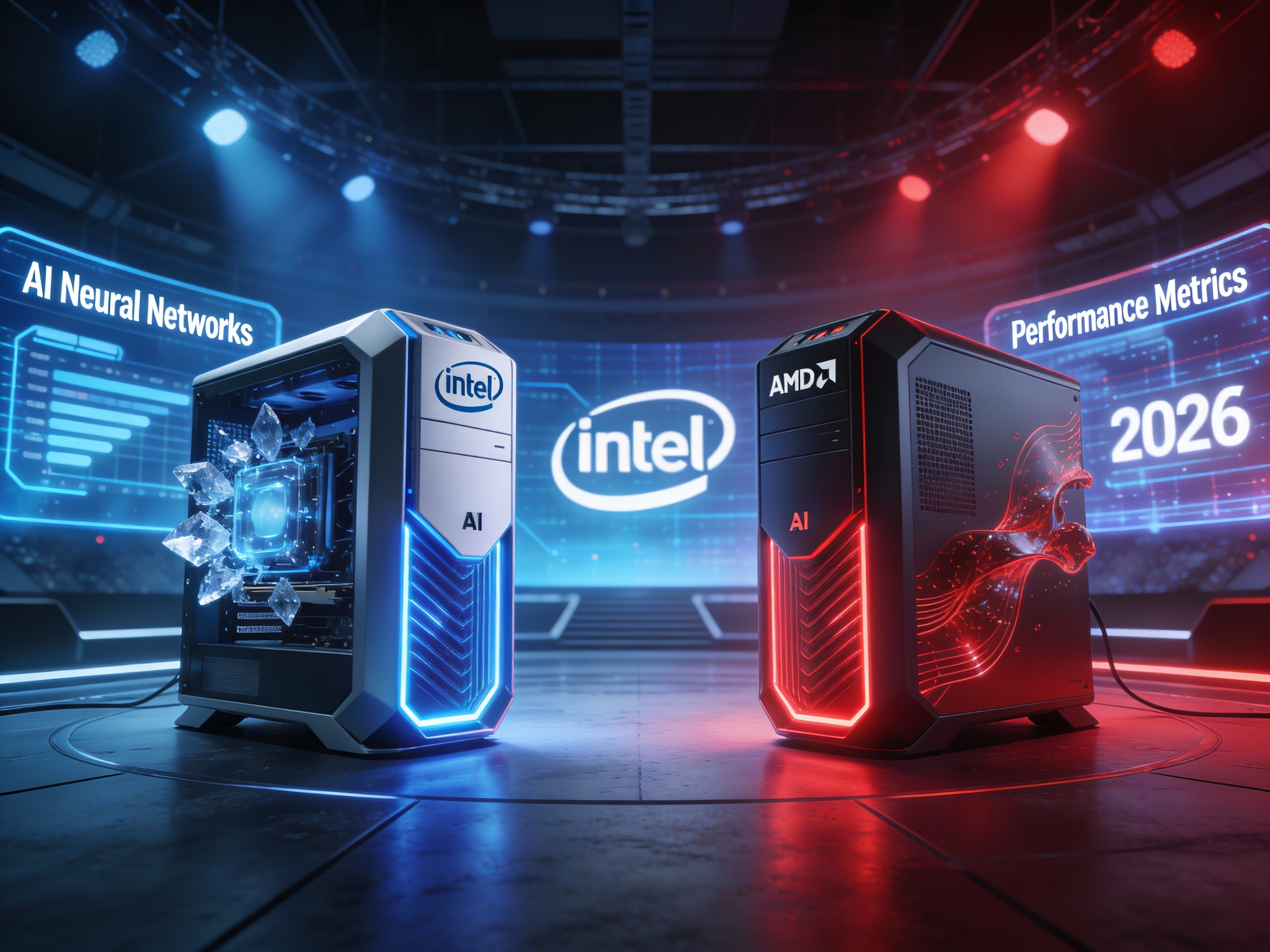
January 5, 2026, marked a turning point for the personal computing industry. What was once experimental AI functionality is now becoming a core principle in PC design. CES 2026 confirmed a decisive shift: artificial intelligence is no longer an optional add-on—it is central to how modern computers operate.
The spotlight was on Intel and AMD, as both companies unveiled their latest AI-focused processors, signaling the rise of the “AI PC” as a mainstream product.
AI PCs Transform the Computing Experience
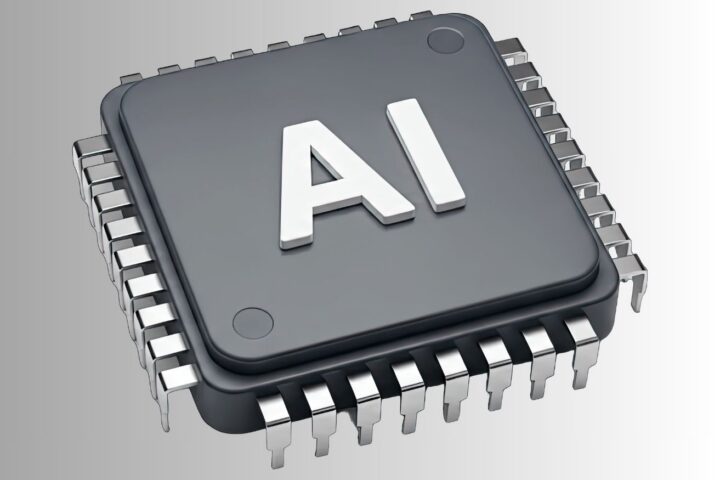
The defining feature of AI PCs is the integration of Neural Processing Units (NPUs) directly into the processor. NPUs handle AI workloads locally, enabling real-time features such as predictive personalization, adaptive performance tuning, and intelligent power management.
This evolution allows PCs to anticipate user needs, optimize resources, and deliver a more responsive computing experience. The era of passive, one-size-fits-all machines is giving way to adaptive, intelligent systems.
CES 2026 Highlights: Intel vs AMD
The announcements from January 5 underscored the divergent strategies of the two processor giants.
Intel introduced its Core Ultra Series 3 processors, emphasizing balanced performance, energy efficiency, and enterprise readiness. Intel’s AI PC strategy is designed for professional and business environments, with AI-assisted workload optimization and scalability at its core.
AMD, in contrast, unveiled the Ryzen AI 400 Series and Ryzen AI Max+ processors, targeting performance-driven users such as gamers, content creators, and mobile professionals. AMD’s chips deliver higher AI throughput and more cores, positioning the company as a choice for demanding, AI-enhanced workloads.
While Intel focuses on reliability and broad integration, AMD prioritizes raw performance and high-capacity AI processing. This contrast highlights a key market trend: AI PCs are being tailored to specific user profiles rather than a single one-size-fits-all approach.
The Expanding AI Ecosystem
Beyond processors, AI PCs are part of a larger ecosystem. NVIDIA expanded its Nemotron AI models for enterprise applications, while Google enhanced Gemini AI integration in productivity tools. Together, hardware and software advances are accelerating AI adoption across both consumer and enterprise spaces.
Search trends in the second half of 2025 already reflected growing interest in AI CPUs and AI PCs, signaling that users are paying attention—and soon, AI capability will be a standard expectation.
Implications for Consumers and Enterprises
For buyers, the choice between Intel and AMD now involves more than brand preference. AI features, performance optimization, and software compatibility are becoming critical decision factors.
- Intel AI PCs are ideal for business users seeking efficiency, security, and scalable solutions.
- AMD AI PCs cater to high-performance gamers, creators, and power users demanding intensive AI computation.
Across the board, AI acceleration is no longer optional—it is a baseline
CES 2026 demonstrated that the personal computing industry has entered a new era. Intel and AMD are leading the AI PC transition, but their strategies differ: Intel emphasizes enterprise integration and balanced performance, while AMD pushes high-powered AI computing for demanding users.
For consumers and enterprises alike, 2026 marks the year when personal computing becomes truly intelligent. The debate over Intel versus AMD is no longer about incremental upgrades—it is about how quickly AI will reshape the way we use computers.
Stay Ahead of the Tech Curve with Welp Magazine
Get early access to the most impactful AI breakthroughs, next-generation smart devices, and global technology shifts shaping the future.
Explore in-depth analysis, expert perspectives, and exclusive coverage trusted by innovators worldwide.
Read the full story and more at Welp Magazine