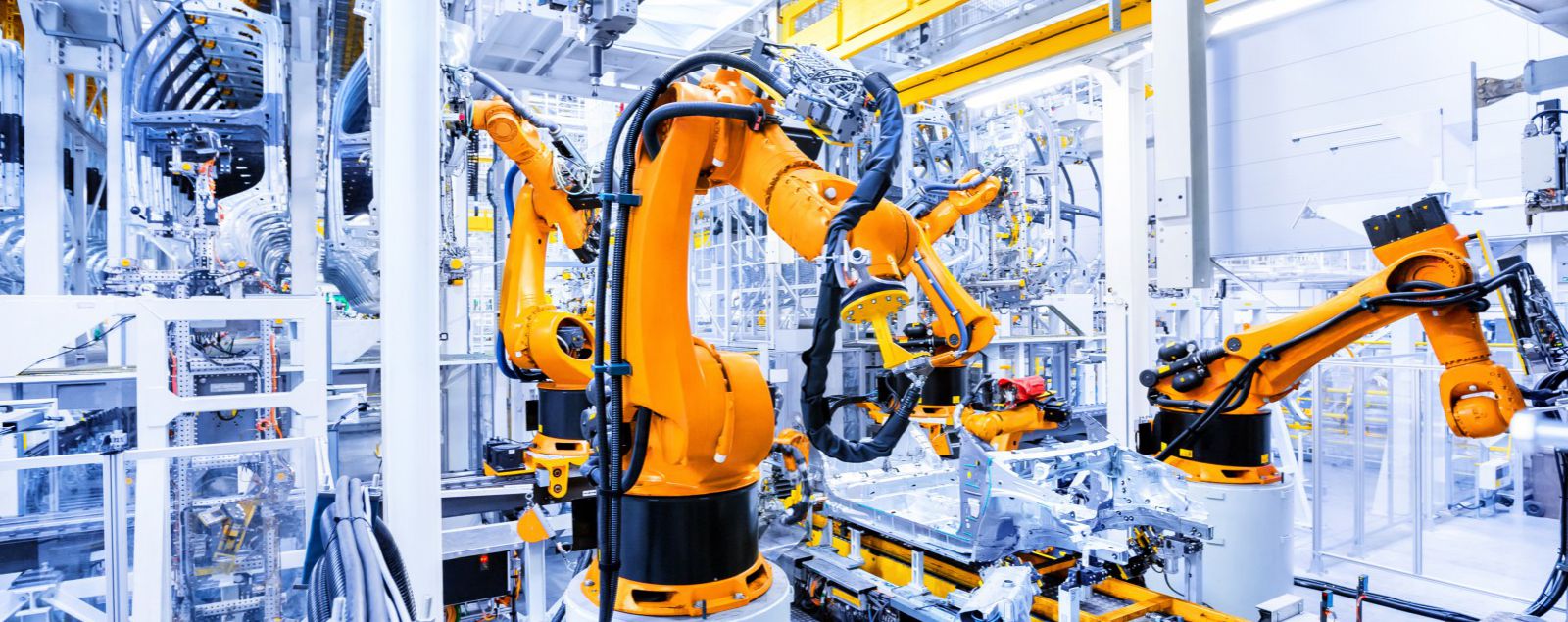
The Japan robots plan is Tokyo’s answer to a labor shortage no other policy could fix. There’s a version of the future where robots take over because a tech company decided it should happen. Japan’s version is different: the robots are coming because there’s genuinely no one left to do the work.
Who’s Building the Japan Robots Plan
The firm actually building this is called Noetra, and its ownership list reads like a who’s-who of Japanese industry: SoftBank, NEC, Sony Group, and Honda hold the majority stake, with Fujitsu and Rakuten reportedly deciding whether to buy in. Alongside Noetra sits AIST, a national research lab, and researchers from Preferred Networks.
Together they’ve been tasked with building what’s being called a “physical AI” model, a multimodal foundation model that can take in language, images, video, and sensor data all at once, so a robot can actually read a room instead of just running a pre-programmed routine. A first version is expected this fiscal year, with yearly upgrades to follow, trained on data volunteered by the manufacturers involved.
The money has strings attached
The trillion-yen figure gets repeated as if it’s locked in. It isn’t. Only the first two years of funding are guaranteed. After that, the project goes through an annual stage-gate review, and Tokyo can walk away if Noetra doesn’t hit its milestones. This year’s installment alone is reportedly worth around $2.3 billion, drawn from a 387.3 billion yen pool funded through green transition bonds.
That structure matters more than the headline number. It means the one trillion yen is a ceiling Japan is willing to spend if things go well, not a check it’s already written.
Why robots, why now
Industry minister Ryosei Akazawa has said the plan will “vigorously promote social implementation” in restaurants, food manufacturing, and medical care, sectors where Japan’s aging population and tight immigration policy have combined to create a labor shortage with no easy fix. This isn’t a new problem the country is discovering. Japan has spent two decades building robotics expertise in elder care, disaster response, and manufacturing, including the long cleanup at Fukushima Daiichi. What’s new is the ambition to package that experience into something it can sell to the rest of the world, not just patch its own labor gap with it.
The timing is also doing some talking of its own. South Korea announced a comparable robotics push within a day of Japan’s confirmation, which suggests the AI competition that’s mostly played out over chatbots and cloud contracts for the last few years is opening a new front, one built out of steel and sensors instead of servers.
What actually decides this
Forget 2040. The number that matters is much sooner: the first stage-gate review, expected once Noetra delivers its early milestones. If a usable model ships on schedule this fiscal year, expect the investor list, and the funding, to grow well past Sony, Honda, SoftBank, and NEC. If it doesn’t, Tokyo has built itself a quiet, dignified way to fund something smaller instead.
Follow Welp Magazine for more coverage on AI, robotics, and the technology reshaping the global workforce.
What is Japan’s plan for AI robots by 2040?
to build a physical AI model, aiming to deploy 10 million AI powered robots across 18 industries by 2040, backed by up to one trillion yen in public funding.