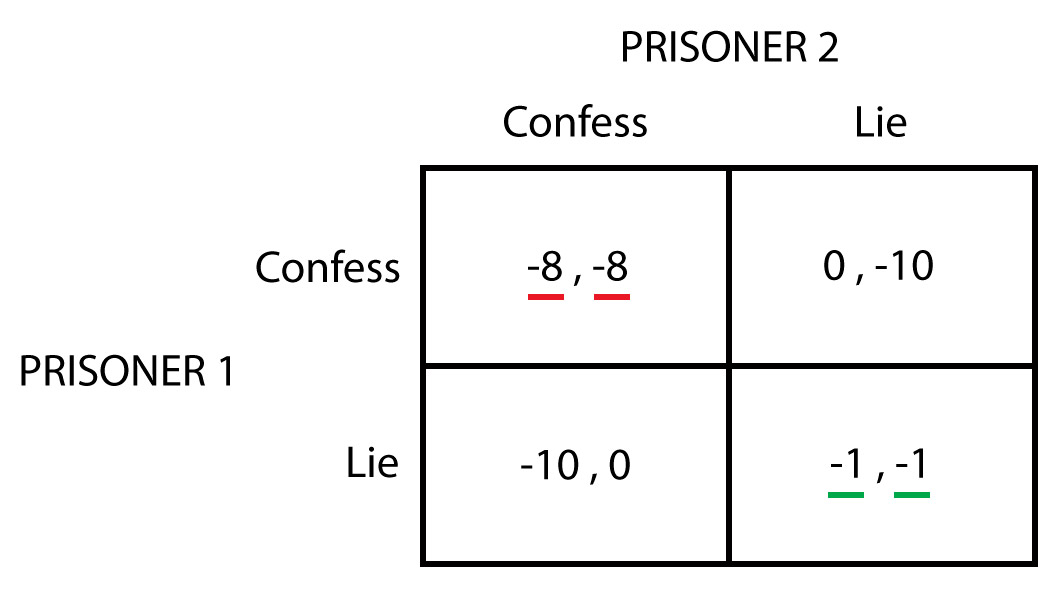
According to game theory, the dominant strategy is the optimal move for an individual regardless of how other players act. A Nash equilibrium describes the optimal state of the game where both
Market expansion is a business growth strategy. Companies adopt a market expansion strategy when their growth peaks in existing channels. Success depends on confirming that they have fulfilled existing markets. Companies must
Market-based pricing strategy involves a process in which the product prices are fixed after studying the costs of the similar products available in the market. Depending upon what a product has to
A poison pill is a defense tactic utilized by a target company to prevent or discourage hostile takeover attempts. Poison pills allow existing shareholders the right to purchase additional shares at a
Strategic management is the process and approach of specifying an organization’s objectives, developing policies, programmes, paradigms and plans to achieve these objectives, and allocating resources so as to implement the policies, programmes,
In marketing, product bundling is offering several products or services for sale as one combined product or service package. It is a common feature in many imperfectly competitive product and service markets.
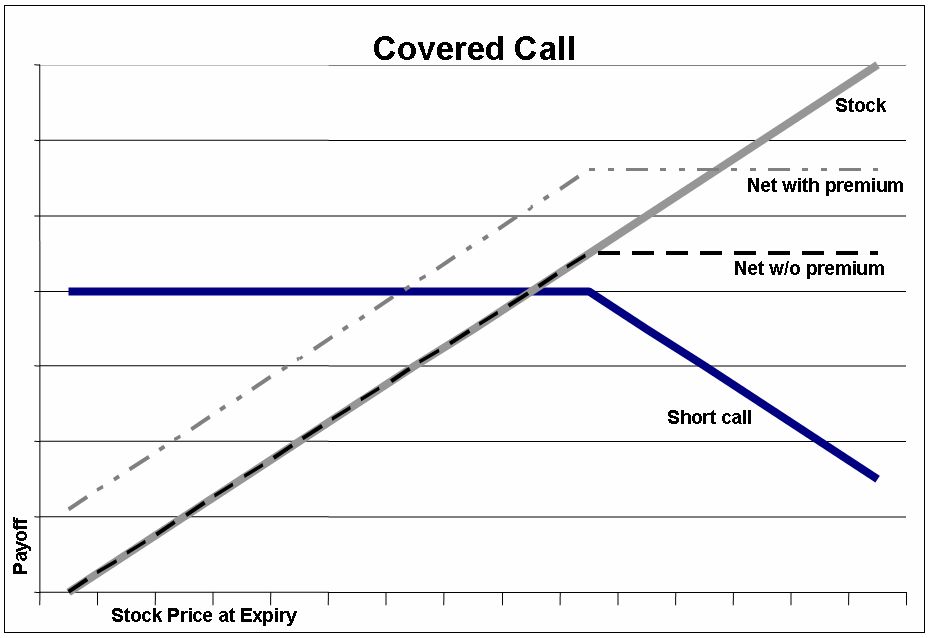
The term buy-write is used to describe an investment strategy in which the investor buys stocks and writes call options against the stock position. The writing of the call option provides extra
Generally, a CTA fund is a hedge fund that uses futures contracts to achieve its investment objective. CTA funds use a variety of trading strategies to meet their investment objectives, including systematic
Environmental strategy is a firm’s long-term orientation about how to manage the environmental practices to gain a good fit with its stakeholders’ expectations. Proactive environmental strategies are those that involve anticipation of
Companies may pursue a divestment strategy to refocus on their core business, in response to the operating environment in their industry or to release underperforming assets. Companies typically pursue a liquidation strategy