A New Computing Era
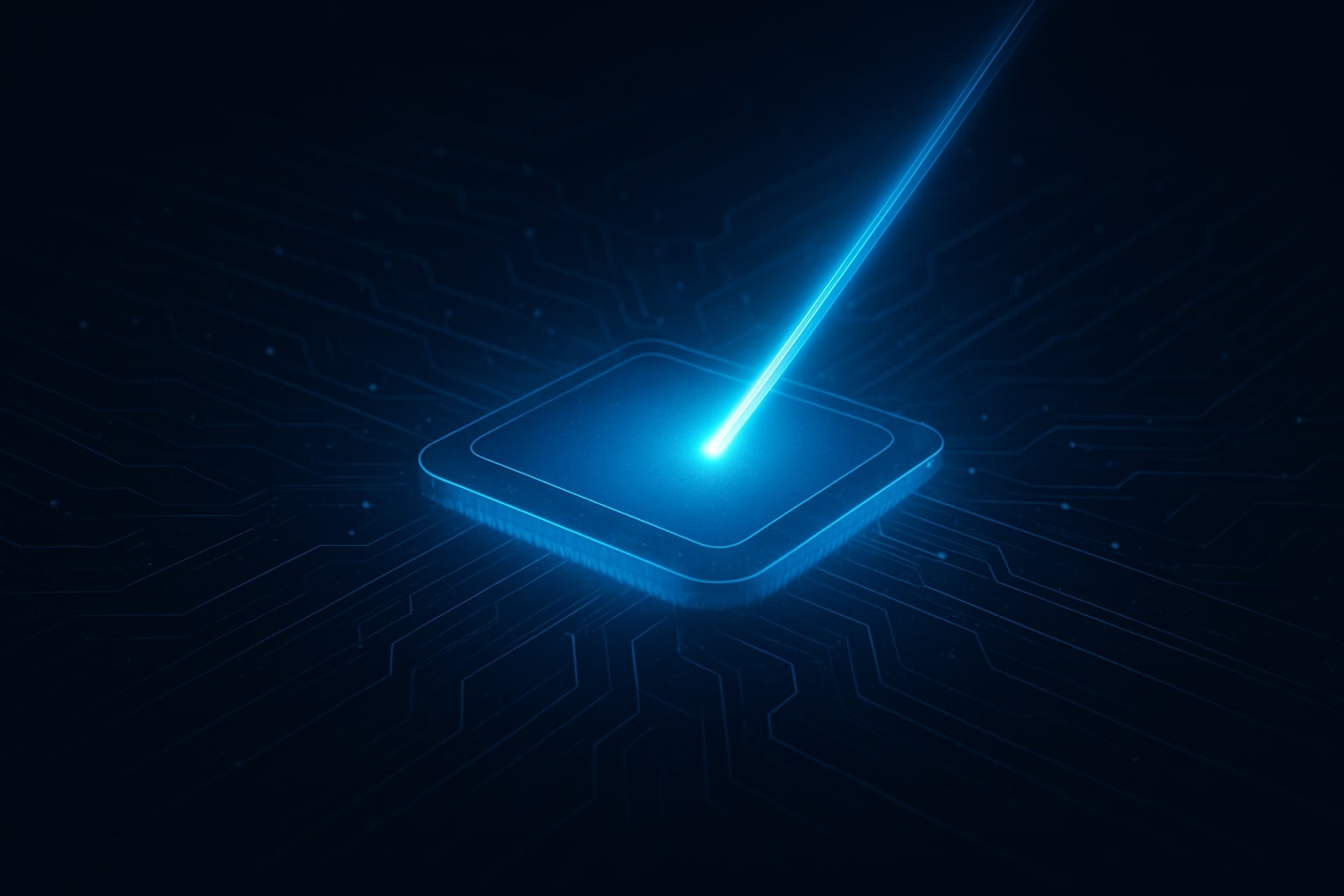
The past 48 hours have marked a historic moment in technology. Microsoft has unveiled a groundbreaking analog optical computer that uses light instead of electricity to perform computations. According to research published in Nature and praised by CEO Satya Nadella, this Microsoft Optical Computing Breakthrough promises 100× faster performance and 100× greater energy efficiency compared to today’s digital processors.
Unlike traditional computing innovations, which often deliver incremental gains, this announcement signals a paradigm shift. If scaled successfully, optical computing could power the next wave of artificial intelligence, healthcare research, and scientific discovery.
Why the Microsoft Optical Computing Breakthrough Matters
For decades, computing has been constrained by the physical limits of electronics. Moore’s Law, which predicted the doubling of transistor density every two years, has slowed as microchips approach atomic scales. At the same time, global demand for computing power has skyrocketed, driven by AI, data analytics, and high-performance simulations.
This creates an urgent problem: how do we compute more without consuming unsustainable levels of energy?
The Microsoft Optical Computing Breakthrough addresses this by replacing electrons with photons. Light travels faster, generates less heat, and allows many operations to occur in parallel. The outcome is a leap in performance and sustainability—critical at a time when AI data centers are straining global energy grids.
How the Microsoft Optical Computing Breakthrough Works
The Microsoft Optical Computing Breakthrough combines analog and photonic hardware into a hybrid system:
- Analog Encoding – Data is represented by light wave properties such as amplitude and phase.
- Optical Interference – Calculations happen at the speed of light as waves interact.
- Hybrid Control – Digital electronics provide error correction and precision.
This architecture maintains the accuracy of digital systems while unlocking the speed and efficiency of optical computation. It’s a delicate balance, but one that researchers say is now achievable for real-world applications.
Transformational Applications Across Industries
The implications of the Microsoft Optical Computing Breakthrough are vast. Some of the most promising use cases include:
- Artificial Intelligence Training
Training large AI models currently requires weeks of computation and enormous energy. Optical computing could cut this to days or hours while dramatically lowering carbon emissions. - Healthcare and Drug Discovery
Optical systems can simulate molecular interactions faster, accelerating the discovery of new medicines and treatments. - Climate Science and Sustainability
High-resolution climate models and real-time environmental simulations could help predict extreme weather and guide policy decisions. - Telecommunications
Faster signal processing could power the next generation of high-speed, low-latency communication networks. - Autonomous Systems
Real-time data processing for self-driving cars, robotics, and drones could become more efficient and reliable.
Industry Reactions to Microsoft’s Breakthrough
The Microsoft Optical Computing Breakthrough has already sent ripples across the tech industry. Satya Nadella described it as a new way to solve complex, real-world problems previously out of reach.
Researchers are calling it one of the most significant leaps since the invention of the microprocessor. Analysts note that if Microsoft can scale production, this could redefine cloud computing, AI research, and even the structure of global technology markets.
For more technical details, Microsoft has shared insights on its official research blog, offering a deep dive into the science behind this revolutionary system.
Challenges and the Road Ahead
Despite the excitement, challenges remain before the Microsoft Optical Computing Breakthrough becomes mainstream. Manufacturing photonic chips at scale is complex, and integrating them into existing infrastructure requires new standards. Affordability will also play a key role in adoption.
Experts estimate it may take three to five years before optical computing finds its way into data centers or enterprise applications. However, the trajectory is clear: computing is on the cusp of a transition from the electronic age to the photonic age.
H2: What This Means for the Future
Looking forward, the Microsoft Optical Computing Breakthrough could accelerate humanity’s progress across science, medicine, and technology. Just as the personal computer revolutionised the 1980s and the internet reshaped the 1990s, optical computing has the potential to define the next era of digital innovation.
From powering smarter AI to creating sustainable global infrastructure, Microsoft’s announcement is more than just a scientific milestone—it’s the start of a new computing revolution.
This discovery represents the dawn of the optical era in computing. Follow Welp Magazine for more updates on technology, management, and the future of innovation.