Snap Specs: Key Facts at a Glance
- Snap Specs price: $2,195, with pre-orders open now for a $200 refundable deposit.
- Ships: Fall 2026 in the US, UK, and France.
- What it is: Standalone true AR glasses powered by Snap OS 2.0, no phone required.
- Display: 51-degree field of view, 16 million colors, 7ms motion-to-photon latency.
- Battery: Up to 4 hours mixed use, plus 16 more from the charging case.
Snap Specs are finally real, and you can buy them now. After years of developer-only prototypes, the company behind Snapchat has revealed Specs, a pair of standalone augmented reality glasses with a confirmed price and ship date. Snap opened pre-orders on June 16, 2026 at a Snap Specs price of $2,195, and the glasses ship this fall in the United States, United Kingdom, and France. CEO Evan Spiegel is betting that these Snap AR glasses mark the start of the post-smartphone era, where computing lives on the world around you instead of in your pocket.
So what can you do with these glasses, and is the high price worth it? This Snap Specs review breaks down everything Snap’s new AR glasses can do, the full hardware specs, how Snap OS 2.0 works, how they compare to Meta and Apple, and who they are actually built for. However, it is worth setting expectations early. At this Snap Specs price, the glasses are aimed squarely at developers and early adopters, not the average Snapchat user.
What Is Snap Specs? An Operating System for the Real World
Snap Specs are fully standalone augmented reality glasses, which means they do not need a tethered phone or PC to run. The glasses are powered by Snap OS 2.0, which Snap describes as an operating system for the real world. Instead of staring down at a screen, Snap OS 2.0 overlays digital objects directly onto your environment, and you interact with them using voice, gesture, and touch. Moreover, the system runs sandboxed apps that Snap calls “Lenses,” built by developers in Lens Studio using JavaScript or TypeScript.
The hardware does the heavy lifting. Specs run on two Qualcomm Snapdragon processors, one dedicated to computer vision and another to running Lenses. As a result, the glasses deliver high-speed hand tracking and just 7 milliseconds of motion-to-photon latency, which keeps digital content anchored to the physical world rather than lagging behind your head movements. Furthermore, Snap OS 2.0 ships with refined first-party apps, including Browser, Gallery, and Spotlight, which push the platform closer to something everyday users can pick up.
Everything Snap Specs Can Do
Out of the box, Specs ship with a set of first-party Lenses that show the range of what these AR glasses can do in 2026. Here is what you can actually do with them on day one:
- Browse the web hands-free. A built-in Browser Lens floats web pages in your field of view, so you can read and scroll without touching a device.
- Navigate on foot. Walking directions appear pinned to the streets in front of you, instead of on a phone map you keep checking.
- Measure real-world spaces. Point at a wall, a room, or an object and Specs measure it, with no tape measure required.
- Add a second screen to your laptop. Specs project a private display that feels like a 24-inch monitor for work, or a 115-inch cinema screen about 10 feet away for video.
- Whiteboard in the air. Sketch and brainstorm on a virtual whiteboard anchored in your space.
- Translate languages in real time. See translations overlaid on signs, menus, and conversations around you.
- Play AR games and learn. Developer Lenses range from reading the green on a golf course to overlaying interactive drum lessons, or making invisible forces visible for education.
- Get contextual AI help. The onboard AI can see what you see, understand what you are trying to do, and surface guidance exactly where you need it.
The AI assistant is the part early testers keep talking about. In contrast to a chatbot trapped in a text box, the assistant on Specs is anchored to the real world. It can answer questions about objects in front of you, connect information to the places around you, and respond in the moment. For example, one reviewer compared it to having a personal “Jarvis” overlay following them everywhere they looked.
Snap Specs Full Specs and Design
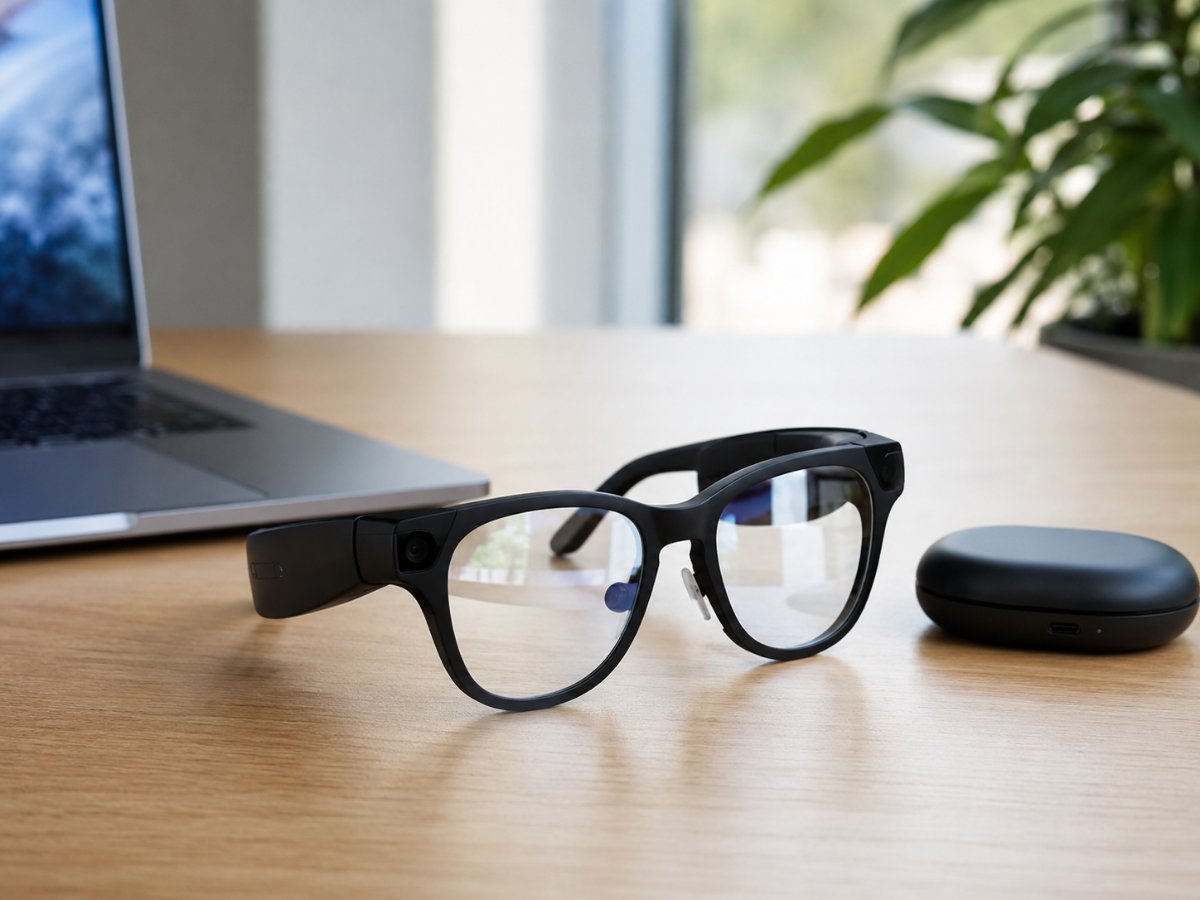
Snap built Specs to be worn, not just demoed. The frames are made from high-performance Swiss TR90 polymer and come in two sizes. Furthermore, electrochromic lenses shift from clear to tinted in about 10 seconds, and removable inserts support a wide range of prescriptions. Here is how the Specs hardware breaks down:
| Spec | Snap Specs (2026) |
|---|---|
| Price | $2,195 ($200 refundable deposit to pre-order) |
| Ships | Fall 2026 (US, UK, France) |
| Display | LCoS, 51-degree field of view, 16 million colors |
| Latency | 7ms motion-to-photon |
| Processors | Two Qualcomm Snapdragon chips (vision + Lenses) |
| Weight | 132g (47mm) / 136g (52mm) |
| Frame | Swiss TR90 polymer, electrochromic lenses |
| Battery | Up to 4 hours mixed use; 20 hours total with case |
| Input | Voice, hand tracking (21 keypoints), touch |
| Software | Snap OS 2.0, Lenses via Lens Studio |
Snap Specs Price and Availability
Let us address the number everyone fixates on. The Snap Specs price is $2,195. You can reserve a pair right now at Specs.com with a $200 refundable deposit, and Snap expects to start shipping in fall 2026 across the United States, United Kingdom, and France. For context, that puts the Snap Specs price well above consumer smart glasses like Ray-Ban Meta, and closer to the territory of a mixed-reality headset. Consequently, this is not an impulse buy.
Snap is open about who this version is for. These are true AR glasses for developers and early adopters who want to build and experience spatial computing now, rather than a mainstream product for every Snapchat user. Additionally, Snap has signaled a consumer-focused debut of Specs later, so the $2,195 model is best understood as the foundation for what comes next. You can read the full announcement on the Snap newsroom.
Snap Specs vs Spectacles: What Changed
Specs are a major leap over the developer-only fifth-generation Spectacles. Most importantly, the new Specs deliver a 51-degree field of view, which Snap says is a 30% larger display area than the previous generation. In addition, the dual-Snapdragon design improves hand tracking and cuts latency, while the lighter Swiss TR90 frames make them easier to wear for longer. In short, Spectacles were a prototype you applied for, whereas Specs are a finished product you can buy.
How Snap Specs Compare to Meta and Apple
Reviewers have described Specs as a bold mash-up of Ray-Ban Meta glasses and the Apple Vision Pro. On one hand, they are lightweight glasses you can wear out in public, like Meta’s. On the other hand, they deliver a true color AR display and spatial apps closer to what a headset offers. Most importantly, unlike camera-first smart glasses, Specs put a real, interactive display in front of your eyes that responds to your hands.
Nevertheless, there are real trade-offs. The four-hour battery means Specs are a “pick it up when you need it” device rather than something you wear all day. The 51-degree field of view is generous for glasses but still a window, not full immersion. Therefore, at this Snap Specs price, the value depends heavily on the apps developers ship in the months ahead.
Snap Specs for Developers
The clearest audience for Specs right now is developers. Because the glasses run Snap OS 2.0 and the mature Lens Studio toolchain, creators can build spatial experiences with familiar web languages like JavaScript and TypeScript. Moreover, access to all 21 hand-tracking keypoints lets developers attach digital objects to specific parts of the hand and design natural gesture controls. For studios betting on spatial computing, buying Specs now is a way to ship early and learn before the consumer wave arrives.
Snap Specs Pros and Cons
Before you decide, here is a quick, honest summary of where Snap Specs shine and where they fall short.
Pros
- True color AR display with a wide 51-degree field of view
- Fast, low-latency hand tracking and voice control
- Standalone, no phone or PC required
- Mature Snap OS 2.0 and Lens Studio developer tools
Cons
- High Snap Specs price of $2,195
- Only about four hours of battery life
- Aimed at developers, not mainstream users yet
- App library still depends on developer support
Release Date, Pre-Order, and What You Get in the Box
When will the glasses ship? Snap has confirmed a fall 2026 release window for the United States, the United Kingdom, and France. To reserve a pair, you place a refundable $200 deposit through the official store, and the balance is due closer to shipping. Early reservations are expected to ship first, so committing now mostly matters if you want to be in the first wave rather than waiting months for restock.
Inside the box, buyers get the glasses, a charging case that delivers several extra top-ups for all-day use, and removable prescription inserts that cover a wide range of vision needs. The frames come in two sizes, so the fit feels balanced whether your face is narrow or wide. Because the lenses tint automatically in about 10 seconds, you can move from a dim office into bright sunlight without swapping anything. It is a thoughtful package for a first-generation device.
However, it is worth remembering that this is an early consumer release built on years of developer hardware. Therefore, buyers should treat occasional software quirks as part of the deal and expect frequent updates as the platform matures. Anyone who has owned a first-generation gadget will recognise the trade-off between being early and being comfortable.
Who Are the Glasses Really For in 2026?
The honest answer is that the audience is narrow today. Developers, creative studios, and technology enthusiasts who want to experiment with spatial computing will get the most value. For them, the cost reads as a research budget rather than a gadget splurge, and the payoff is a head start on a platform that could define the next decade of computing.
Mainstream shoppers, on the other hand, are better served by waiting. Lighter, cheaper consumer models are coming, and the app library will be far richer once developers have shipped a full year of experiences. Comparable bets from Meta, Apple, and Google suggest the whole category will mature quickly over the next two years, which should bring prices down and polish up.
For a sense of how fast expectations are shifting, independent coverage from outlets like CNBC framed the launch as a serious bet on life after the smartphone. Whether that future arrives on schedule depends less on the hardware, which already impresses, and more on the developers building for it.
Should You Buy Snap Specs?
If you build AR experiences, create content, or simply want to be first into wearable spatial computing, Snap Specs are one of the most capable AR glasses you can buy in 2026. For everyone else, the smart move is to watch what developers build on Snap OS 2.0 and wait for the consumer version Snap has teased. Therefore, the honest takeaway from this Snap Specs review is simple. Snap Specs prove that genuinely useful AR glasses are finally real, but at a Snap Specs price of $2,195, the real question is not whether they work. It is whether the apps arrive to justify the cost.
For more on the tools and tech shaping how we work and create, explore our latest coverage at Welp Magazine, and check out our growing library of honest tool reviews.
Stay Ahead of What’s Next
Welp Magazine covers the tools, gadgets, and platforms changing how creators and founders work. From AR glasses to AI software, we test it and tell you what actually matters. Read more on Welp Magazine.